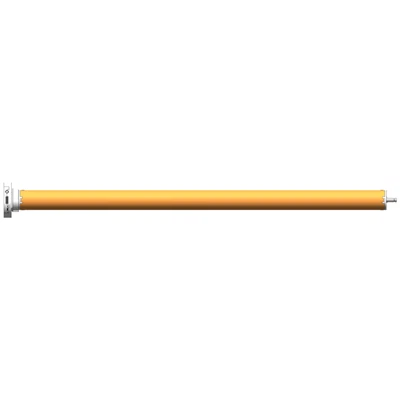
Hey there! As a supplier of tubular motors for garage doors, I've seen my fair share of issues and successes when it comes to these motors. One of the most common questions I get from customers is, "How can I check if my tubular motor for the garage door is working properly?" Well, you're in luck because I'm going to break it down for you in this blog post.
Visual Inspection
The first step in checking if your tubular motor is working properly is to do a visual inspection. Start by looking at the motor itself. Check for any obvious signs of damage, like cracks, dents, or loose wires. If you notice any of these issues, it's a pretty clear sign that something's wrong, and you might need to replace the motor or have it repaired.
Next, take a look at the connection points. Make sure all the wires are securely attached and there are no signs of corrosion or fraying. Loose or damaged wires can cause all sorts of problems, from intermittent operation to complete failure.
Also, check the mounting brackets. The motor should be firmly attached to the garage door frame. If it's loose, it can cause the motor to vibrate excessively, which can lead to premature wear and tear.
Power Supply
Once you've done the visual inspection, it's time to check the power supply. First, make sure the motor is plugged in and the circuit breaker hasn't tripped. Sometimes, a simple power issue can make it seem like the motor is broken when it's really just not getting juice.


You can use a voltage tester to check if the motor is receiving the correct voltage. Most tubular motors for garage doors operate on 220 - 240 volts, but it's always a good idea to check the manufacturer's specifications. If the voltage is too low or too high, it can damage the motor over time.
If you find that the motor isn't getting power, check the wiring between the motor and the power source. Look for any breaks or shorts in the wire. You might need to call an electrician if you're not comfortable working with electrical wiring.
Remote Control and Wall Switch
Most modern tubular motors come with a remote control and a wall switch. To check if these are working properly, try using the remote to open and close the garage door. If the door doesn't respond, first make sure the batteries in the remote are fresh. Sometimes, a dead battery can cause the remote to stop working.
If the remote still doesn't work, try using the wall switch. If the wall switch works but the remote doesn't, the problem is likely with the remote itself. You might need to reprogram the remote or replace it.
On the other hand, if neither the remote nor the wall switch works, the issue could be with the motor's receiver. The receiver is the part of the motor that receives the signals from the remote and wall switch. It might need to be repaired or replaced.
Motor Operation
Now, let's test the actual operation of the motor. When you press the open or close button, the motor should start running smoothly. Listen for any unusual noises, like grinding, screeching, or rattling. These noises can indicate a problem with the motor's gears, bearings, or other internal components.
Pay attention to how the garage door moves. It should open and close evenly and at a consistent speed. If the door jerks, hesitates, or moves unevenly, there could be an issue with the motor's drive system or the balance of the door.
Also, check the limit switches. These are the switches that tell the motor when to stop opening or closing the door. If the door doesn't stop at the right place, the limit switches might need to be adjusted.
Safety Features
Tubular motors for garage doors come with several safety features, like the auto - reverse function. To test this, place a small, soft object, like a rolled - up towel, in the path of the closing door. When the door hits the object, it should immediately reverse and open. If it doesn't, the safety sensor might be dirty, misaligned, or malfunctioning.
Clean the sensors with a soft, dry cloth and make sure they're properly aligned. They should be facing each other and there should be no obstructions between them.
Specific Models
We offer a variety of tubular motors for garage doors, including the 92mm Standard Tubular Motor, 92mm Manual Override Tubular Motor, and 92mm Manual Tubular Motor. Each of these models has its own unique features and specifications, but the basic principles of checking if they're working properly are the same. However, always refer to the user manual for your specific model for detailed instructions.
Lubrication
Proper lubrication is essential for the smooth operation of the tubular motor. Over time, the moving parts of the motor can wear down, and lubrication can help reduce friction and extend the life of the motor.
Check the manufacturer's recommendations for the type of lubricant to use. Usually, a silicone - based lubricant is a good choice. Apply the lubricant to the gears, bearings, and other moving parts according to the instructions.
Regular Maintenance
Regular maintenance is key to keeping your tubular motor in good working condition. Set a schedule to perform the checks I've mentioned above on a regular basis. This can help you catch any potential problems early and avoid costly repairs or replacements.
Contact for Purchase and Consultation
If you're in the market for a new tubular motor for your garage door or need further assistance with your existing motor, don't hesitate to reach out. We're here to help you find the right solution for your needs. Whether you're a homeowner looking to upgrade your garage door system or a contractor working on a project, we've got you covered.
References
- Garage Door Motor Installation and Maintenance Guide, Generic Publishing
- Electrical Safety Handbook for Home Appliances, Safety Press