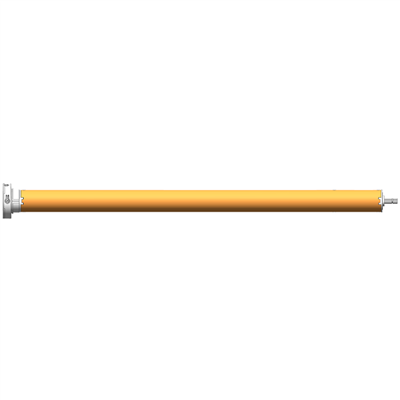
Analysis of tubular motor classification and application fields
As an important driving component in modern automation equipment, tubular motors are widely used in curtains, shading systems, stage equipment and other fields. With the advancement of technology and the diversification of market demand, the classification of tubular motors has become more and more refined. Understanding the characteristics of different types of tubular motors will help buyers and end users choose suitable products according to actual needs.
From the perspective of drive mode, tubular motors are mainly divided into two categories: DC tubular motors and AC tubular motors. DC tubular motors have become the first choice for high-end curtains and smart home systems due to their low noise, high torque and precise control. This type of motor is usually equipped with a speed regulation function, which can adjust the operating speed according to ambient light or user needs to improve the user experience. AC tubular motors, with their simple structure and low maintenance cost, occupy an important position in industrial shading systems and large venue shading projects.
According to the application scenario, tubular motors can be divided into household, commercial and industrial types. Household tubular motors focus on silent design and energy-saving performance, and are suitable for scenes such as home curtains and balcony shading. Commercial motors emphasize stability and durability, and are commonly used in electric curtain systems in hotels, office buildings and other places. Industrial tubular motors have greater power and higher protection levels, and are often used to drive heavy equipment such as stage curtains and factory ventilation ducts.
From the perspective of control methods, modern tubular motors have achieved diversified control, including switch control, remote control, intelligent sensing control, etc. Intelligent sensing tubular motors can be automated through mobile phone APP, voice assistant or light sensor to meet the needs of smart buildings and Internet of Things applications. This type of product is becoming a popular choice in the foreign trade market, especially among customers in Europe, the United States and the Asia-Pacific region.
With the rapid development of the global smart home and green building markets, the demand for tubular motors continues to grow. When choosing products, buyers need to comprehensively consider factors such as motor type, power, control method and certification standards. In the future, with the application of new materials and intelligent technologies, the performance of tubular motors will be further improved and the application field will be more extensive.