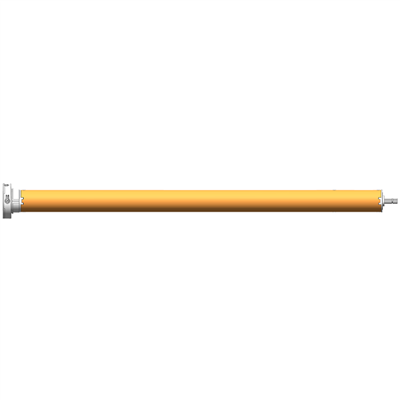
In modern automation equipment and smart door and window systems, tubular motors are core drive components, and their performance and life largely depend on the choice of materials. As the global market demand for efficient and durable products grows, it is particularly important to understand the characteristics and application scenarios of tubular motor materials.
The material selection of tubular motors mainly revolves around key components such as housings, gears, bearings and wires. The housing material is usually made of high-strength aluminum alloy or engineering plastics. Aluminum alloy housings have excellent heat dissipation and corrosion resistance, and are suitable for high temperature or humid environments; while engineering plastic housings are lighter and can reduce overall costs, suitable for weight-sensitive application scenarios.
The gear material directly affects the transmission efficiency and durability of the motor. Common choices include nylon, powder metallurgy steel and stainless steel. Nylon gears have low noise and low cost, and are suitable for light load applications; powder metallurgy steel gears take into account strength and wear resistance, and are suitable for medium and high load scenarios; and stainless steel gears can cope with extreme environments, such as high humidity or chemical corrosion sites.
Bearings are the key to the stable operation of motors, and the material is mostly stainless steel or ceramic. Stainless steel bearings are economical and practical, suitable for conventional applications; ceramic bearings have higher corrosion resistance and lower friction coefficient, suitable for high speed or vacuum environment. In addition, the insulation material of the wire also needs to be selected according to the use environment. For example, PVC is suitable for ordinary environment, while silicone or fluoroplastic is more suitable for high temperature or outdoor scenes.
In the context of global procurement, the material selection of tubular motors also needs to consider supply chain stability and environmental protection requirements. For example, aluminum alloy and engineering plastics have a high recycling rate, which is in line with the trend of sustainable development; while stainless steel and ceramic materials have a long life, which reduces the need for frequent replacement and indirectly reduces resource consumption.
In short, the material selection of tubular motors needs to comprehensively consider performance, cost and environmental factors to meet the needs of different industries. With the advancement of material technology, tubular motors will show their value in a wider range of fields in the future.