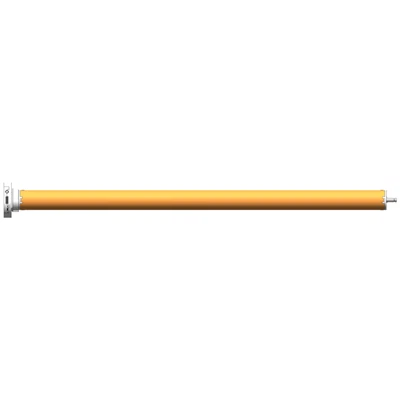
As a supplier of low noise tubular motors, I often receive inquiries from customers in various industries about the suitability of our products for their specific applications. One question that has come up frequently is whether a low noise tubular motor can be used in a boat hatch cover system. In this blog post, I will explore this topic in detail, discussing the benefits and challenges of using a low noise tubular motor in a boat hatch cover system and providing some recommendations based on my experience.


Understanding the Requirements of a Boat Hatch Cover System
Before delving into the suitability of a low noise tubular motor for a boat hatch cover system, it is essential to understand the unique requirements of such a system. Boat hatch covers serve multiple purposes, including providing access to the boat's interior, protecting the interior from the elements, and ensuring the safety of passengers and crew. Therefore, a boat hatch cover system must meet several key criteria:
- Reliability: The hatch cover system must operate reliably in various weather conditions, including high winds, heavy rain, and rough seas. It should be able to withstand the forces exerted on it during normal use and maintain its integrity over time.
- Safety: Safety is of utmost importance in a marine environment. The hatch cover system should be designed to prevent accidental openings and provide a secure barrier to prevent water ingress. It should also be easy to operate in case of an emergency.
- Noise Reduction: Boats are often used for leisure activities, and excessive noise can be a significant nuisance to passengers. A low noise tubular motor can help reduce the noise generated during the operation of the hatch cover system, providing a more comfortable and enjoyable experience for everyone on board.
- Space Constraints: Boat interiors are typically limited in space, and the hatch cover system must be designed to fit within the available space. A compact and efficient tubular motor can help optimize the use of space and ensure a seamless integration with the boat's design.
Benefits of Using a Low Noise Tubular Motor in a Boat Hatch Cover System
Now that we understand the requirements of a boat hatch cover system, let's explore the benefits of using a low noise tubular motor in such a system:
- Quiet Operation: As mentioned earlier, noise reduction is a crucial factor in a boat hatch cover system. A low noise tubular motor operates quietly, minimizing the disturbance to passengers and crew. This is particularly important in areas where noise pollution is a concern, such as marinas and residential areas.
- Smooth and Efficient Operation: Tubular motors are known for their smooth and efficient operation. They can provide a consistent and reliable performance, ensuring that the hatch cover opens and closes smoothly every time. This can help improve the overall functionality of the boat hatch cover system and enhance the user experience.
- Compact Design: Tubular motors are designed to be compact and space-saving. They can be easily integrated into the boat's hatch cover system without taking up too much space. This is especially beneficial in boats with limited interior space, where every inch counts.
- Customization Options: As a supplier of low noise tubular motors, we offer a range of customization options to meet the specific needs of our customers. We can provide motors with different torque ratings, speeds, and control options to ensure that the hatch cover system operates optimally in your boat.
Challenges of Using a Low Noise Tubular Motor in a Boat Hatch Cover System
While there are many benefits to using a low noise tubular motor in a boat hatch cover system, there are also some challenges that need to be considered:
- Corrosion Resistance: Boats are exposed to a harsh marine environment, which can cause corrosion and damage to the motor over time. Therefore, it is essential to choose a tubular motor that is made from corrosion-resistant materials and has a protective coating to prevent rust and corrosion.
- Waterproofing: The hatch cover system must be waterproof to prevent water ingress into the boat's interior. The tubular motor should be designed to be waterproof and sealed to protect it from water damage. It should also be able to operate in wet conditions without any issues.
- Power Supply: Boats typically have a limited power supply, and the tubular motor must be designed to operate efficiently on the available power. It is important to choose a motor that has a low power consumption and can be powered by the boat's battery or electrical system.
Recommendations for Using a Low Noise Tubular Motor in a Boat Hatch Cover System
Based on my experience as a supplier of low noise tubular motors, I have the following recommendations for using a low noise tubular motor in a boat hatch cover system:
- Choose the Right Motor: Select a tubular motor that is specifically designed for marine applications. Look for a motor that is made from corrosion-resistant materials, has a waterproof design, and is suitable for the size and weight of your boat hatch cover. You can explore our 45mm Electronic Radio Tubular Motor, 45mm Standard Tubular Motor, and 45mm Radio Tubular Motor for suitable options.
- Proper Installation: Ensure that the tubular motor is installed correctly by a qualified professional. The installation should follow the manufacturer's instructions and comply with all relevant safety standards. Proper installation is crucial to ensure the reliable operation of the hatch cover system and prevent any potential issues.
- Regular Maintenance: Like any other mechanical component, the tubular motor requires regular maintenance to ensure its optimal performance. Follow the manufacturer's maintenance recommendations, including lubrication, cleaning, and inspection. Regular maintenance can help extend the lifespan of the motor and prevent costly repairs.
- Consider Additional Features: Depending on your specific needs, you may want to consider additional features such as remote control operation, safety sensors, and automatic closing functions. These features can enhance the convenience and safety of the hatch cover system.
Conclusion
In conclusion, a low noise tubular motor can be a suitable choice for a boat hatch cover system, provided that the motor is carefully selected and installed to meet the specific requirements of the application. The benefits of using a low noise tubular motor, such as quiet operation, smooth performance, and space-saving design, make it an attractive option for boat owners. However, it is important to consider the challenges, such as corrosion resistance, waterproofing, and power supply, and take appropriate measures to address them.
If you are interested in using a low noise tubular motor in your boat hatch cover system, I encourage you to contact us to discuss your specific needs. Our team of experts can provide you with detailed information about our products, help you select the right motor for your application, and offer guidance on installation and maintenance. We are committed to providing high-quality products and excellent customer service, and we look forward to working with you to enhance the functionality and comfort of your boat.
References
- "Marine Electrical Systems: Design, Installation, and Troubleshooting" by Nigel Calder
- "Boatbuilding Basics: A Complete Guide to Building and Repairing Boats" by John Harris
- "The Complete Book of Boat Maintenance" by Don Casey