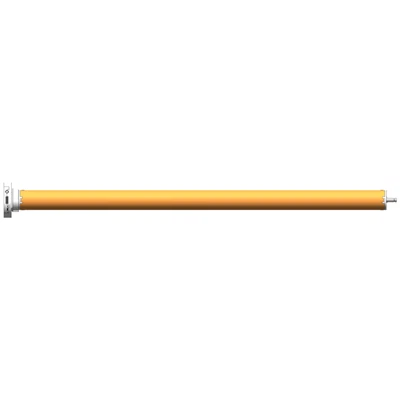
DC tubular motors have gained significant popularity in various applications due to their compact design, efficient operation, and ease of integration. As a DC tubular motor supplier, I often receive inquiries about the suitability of these motors for outdoor applications. In this blog post, I will explore the feasibility of using DC tubular motors outdoors, considering factors such as environmental conditions, protection levels, and performance requirements.
Understanding DC Tubular Motors
Before delving into outdoor applications, it's essential to understand what DC tubular motors are. These motors are typically cylindrical in shape and are designed to fit inside tubular structures, such as roller blinds, awnings, and garage doors. They are powered by direct current (DC), which offers several advantages, including precise speed control, low noise operation, and energy efficiency.
DC tubular motors come in various sizes and torque ratings to accommodate different load requirements. For instance, our 25mm Electronic Radio Tubular Motor is a popular choice for smaller applications, while larger motors can handle heavier loads. The 25mm Smart Electronic Radio Tubular Motor offers advanced features such as remote control and smart integration, making it suitable for modern smart home applications. Additionally, the 25mm Standard Tubular Motor provides a reliable and cost - effective solution for basic applications.
Environmental Challenges in Outdoor Applications
Outdoor environments present a range of challenges that can affect the performance and lifespan of DC tubular motors. Some of the key environmental factors to consider include:
Temperature
Outdoor temperatures can vary significantly, from extreme cold in winter to scorching heat in summer. DC tubular motors are designed to operate within a specific temperature range. High temperatures can cause the motor's insulation to degrade, leading to reduced efficiency and potential motor failure. On the other hand, low temperatures can increase the viscosity of lubricants, making the motor more difficult to start and operate smoothly.
Humidity and Moisture
Moisture is one of the most significant threats to outdoor electrical equipment. High humidity levels can cause corrosion of electrical components, short - circuits, and damage to the motor's internal wiring. Exposure to rain, snow, or condensation can also lead to water ingress, which can severely damage the motor.
Dust and Debris
Outdoor areas are often filled with dust, dirt, and debris. These particles can enter the motor through small openings, causing abrasion to moving parts, clogging ventilation channels, and interfering with the motor's electrical contacts. Over time, this can lead to increased wear and tear and reduced performance.
UV Radiation
Ultraviolet (UV) radiation from the sun can degrade the motor's outer casing and insulation materials. Prolonged exposure to UV rays can cause the materials to become brittle, crack, and lose their protective properties, increasing the risk of electrical faults and mechanical failures.
Protection Against Environmental Factors
To use DC tubular motors in outdoor applications, appropriate protection measures must be taken to safeguard the motor from environmental hazards.
Enclosure and Sealing
The motor should be housed in a robust and well - sealed enclosure. The enclosure should have a high Ingress Protection (IP) rating, which indicates its resistance to dust and water. For example, an IP55 - rated enclosure provides protection against dust ingress and low - pressure water jets from any direction. Higher ratings, such as IP67, offer even better protection, with complete protection against dust and the ability to withstand temporary immersion in water.
Temperature Management
To deal with temperature variations, motors can be equipped with thermal protection devices. These devices can automatically shut off the motor if the temperature exceeds a safe limit, preventing damage due to overheating. Additionally, proper ventilation can help dissipate heat, especially in hot climates.
Moisture and Corrosion Resistance
The motor's internal components should be made of corrosion - resistant materials. For example, using stainless steel or coated metals can prevent rusting. Moisture - resistant seals and gaskets can also be used to prevent water from entering the motor.
UV - Resistant Materials
The outer casing of the motor should be made of UV - resistant materials to prevent degradation from sunlight exposure. This can extend the lifespan of the motor and maintain its structural integrity.


Performance Requirements for Outdoor Applications
In addition to environmental protection, DC tubular motors used outdoors must meet certain performance requirements.
Torque and Power
Outdoor applications may require motors with higher torque and power ratings to overcome additional resistance caused by factors such as wind, rain, and debris. For example, a motor used to operate an outdoor awning may need to withstand strong winds, which can exert significant force on the awning fabric.
Durability and Reliability
Outdoor motors need to be highly durable and reliable, as they are often in continuous use and exposed to harsh conditions. They should be able to withstand frequent starts and stops, as well as long - term operation without significant wear and tear.
Control and Automation
Many outdoor applications benefit from advanced control and automation features. For example, motors can be integrated with sensors to detect environmental conditions such as wind speed, sunlight intensity, or rainfall. This allows the motor to automatically adjust the position of the awning, blind, or door based on the weather conditions.
Case Studies of DC Tubular Motors in Outdoor Applications
There are numerous successful examples of DC tubular motors being used in outdoor applications.
Outdoor Awnings
DC tubular motors are commonly used to operate outdoor awnings. These motors can be controlled remotely, allowing users to adjust the position of the awning to provide shade or protection from the elements. With proper protection against environmental factors, these motors can operate reliably for many years.
Roller Blinds on Balconies
Roller blinds on balconies are another popular application for DC tubular motors. The motors can be integrated with smart home systems, enabling users to control the blinds using their smartphones or voice commands. The motors need to be protected from rain, wind, and sunlight to ensure long - term performance.
Conclusion
In conclusion, DC tubular motors can be used in outdoor applications, but careful consideration must be given to environmental factors, protection measures, and performance requirements. As a DC tubular motor supplier, we offer a range of motors that can be customized to meet the specific needs of outdoor applications. Our motors are designed with high - quality materials and advanced protection features to ensure reliable operation in harsh outdoor environments.
If you are interested in using DC tubular motors for your outdoor project, we invite you to contact us for more information and to discuss your specific requirements. Our team of experts is ready to assist you in selecting the right motor and providing technical support throughout the installation and operation process.
References
- "Electrical Motors and Drives: Fundamentals, Types and Applications" by Austin Hughes and Bill Drury.
- Industry standards and guidelines for outdoor electrical equipment.