Hey there! As a supplier of motors for automatic awnings, I often get asked if these motors can be used in combination with sun sensors. Well, let's dive right into this topic and find out!
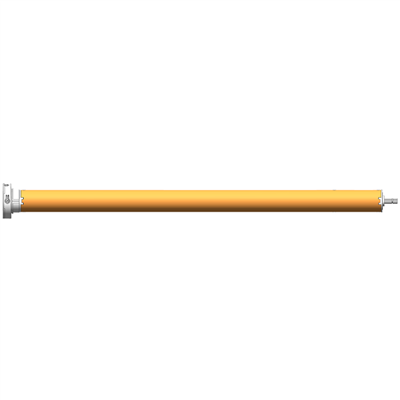
First off, let's understand what automatic awning motors and sun sensors are. Automatic awning motors are the powerhouses that make your awnings open and close with ease. They come in various types and sizes, like the 59mm Manual Tubular Motor, 59mm Manual Radio Tubular Motor, and 59mm Standard Tubular Motor. These motors are designed to provide reliable and efficient operation for your awnings.
On the other hand, sun sensors are devices that detect the intensity of sunlight. They work by measuring the amount of light hitting them and can send signals based on the light levels. So, can these two things work together? The answer is a big yes!
Combining automatic awning motors with sun sensors can bring a whole bunch of benefits. One of the main advantages is convenience. With a sun sensor, your awning can automatically open when the sun gets too bright and close when the sunlight fades. You don't have to worry about manually operating the awning every time the sun changes its position. It's like having a smart awning system that takes care of itself.
Another benefit is energy efficiency. When the sun is intense, the awning can block the sunlight from entering your building, reducing the need for air - conditioning. This can lead to significant energy savings in the long run. And let's not forget about the protection it offers. The awning can shield your furniture, floors, and other interior items from the harmful effects of UV rays, preventing fading and damage.
Now, let's talk about how they work together. The sun sensor is usually installed in a location where it can accurately detect the sunlight. When the sunlight reaches a pre - set intensity level, the sensor sends a signal to the motor. The motor then activates and either opens or closes the awning, depending on the programming.
However, there are a few things to keep in mind when using these two together. First, you need to make sure that the motor and the sun sensor are compatible. Not all motors can be easily integrated with sun sensors. You should choose a motor that has the necessary connections and controls to work with the sensor.
Also, proper installation is crucial. The sun sensor needs to be installed in a place where it can get an unobstructed view of the sky. If it's blocked by trees, buildings, or other objects, it may not work accurately. And the motor should be installed according to the manufacturer's instructions to ensure smooth operation.
Maintenance is another aspect. Both the motor and the sun sensor need regular checks to make sure they're working properly. For the motor, you should check the lubrication, wiring, and mechanical parts. For the sun sensor, you need to clean it regularly to remove any dirt or debris that could affect its performance.
In terms of cost, adding a sun sensor to your automatic awning motor system will increase the overall cost. But when you consider the long - term benefits like energy savings and convenience, it's definitely worth the investment.
Let's look at some real - world examples. Imagine you have a patio with an automatic awning. On a sunny day, as the sun starts to heat up the patio, the sun sensor detects the increasing sunlight and signals the motor to open the awning. Your guests can enjoy the shade without you having to do a thing. Or, if you have a commercial building with large awnings, the system can help maintain a comfortable indoor environment for your customers and employees.
There are also different types of sun sensors available. Some are more basic and simply detect the light intensity, while others are more advanced and can also take into account factors like the angle of the sun. You can choose the one that best suits your needs and budget.
If you're thinking about getting an automatic awning motor and a sun sensor for your awning, I'd be more than happy to help. As a supplier, I have a wide range of motors and can provide you with advice on which ones are the best fit for your situation. Whether you need a simple setup for a small patio or a more complex system for a large commercial building, I've got you covered.


We can discuss the details of your project, including the size of the awning, the location, and your specific requirements. I can also give you an estimate of the cost and the installation process. So, if you're interested in taking your awning system to the next level with a combination of an automatic awning motor and a sun sensor, don't hesitate to reach out. Let's start a conversation and see how we can make your awning more functional and convenient.
In conclusion, using motors for automatic awnings in combination with sun sensors is a great idea. It offers convenience, energy efficiency, and protection. With the right motor, sensor, and proper installation and maintenance, you can have a smart awning system that works like a charm. So, if you're in the market for an automatic awning motor or want to upgrade your existing system, consider adding a sun sensor. And if you have any questions or want to start the procurement process, just get in touch. I'm here to assist you every step of the way.
References
- General knowledge about automatic awning motors and sun sensors from industry experience.
- Product specifications of 59mm Manual Tubular Motor, 59mm Manual Radio Tubular Motor, and 59mm Standard Tubular Motor.