Automatic awnings have become increasingly popular in residential buildings due to their convenience and functionality. They provide shade, protection from the elements, and can enhance the aesthetic appeal of a home. As a supplier of motors for automatic awnings, I often receive inquiries about whether these motors can be used in residential settings. In this blog post, I will explore the suitability of automatic awning motors for residential buildings, discuss the different types of motors available, and provide some considerations for homeowners.
Suitability of Automatic Awning Motors for Residential Buildings
Automatic awning motors are indeed suitable for use in residential buildings. They offer several advantages that make them a great addition to any home. Firstly, they provide convenience. With the push of a button or the use of a remote control, homeowners can easily extend or retract their awnings, adjusting the amount of shade and protection as needed. This is particularly useful for those who have limited mobility or find it difficult to manually operate their awnings.
Secondly, automatic awning motors enhance the functionality of awnings. They can be programmed to open and close at specific times, allowing homeowners to take advantage of natural light and shade throughout the day. Some motors also come with sensors that can detect changes in weather conditions, such as wind or rain, and automatically retract the awning to prevent damage.
Thirdly, automatic awning motors can improve the safety of awnings. Manual operation of awnings can be dangerous, especially if the awning is large or heavy. Automatic motors eliminate the need for manual handling, reducing the risk of accidents and injuries.
Types of Automatic Awning Motors
There are several types of automatic awning motors available on the market, each with its own features and benefits. As a supplier, I offer a range of motors to suit different needs and preferences. Here are some of the most common types:
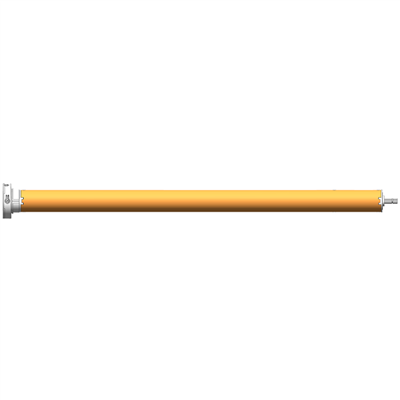
- 59mm Electronic Radio Tubular Motor: This type of motor is controlled by a radio signal, allowing for easy and convenient operation from a distance. It is suitable for both small and large awnings and can be programmed to open and close at specific times. The electronic radio tubular motor is also equipped with safety features, such as overload protection and limit switches, to ensure the safe and reliable operation of the awning.
- 59mm Manual Radio Tubular Motor: This motor combines the convenience of radio control with the option of manual operation. It is ideal for homeowners who want the flexibility to operate their awnings manually in case of a power outage or other issues. The manual radio tubular motor is also easy to install and maintain.
- 59mm Manual Tubular Motor: As the name suggests, this motor requires manual operation. It is a cost-effective option for homeowners who do not require the convenience of automatic operation. The manual tubular motor is simple to install and can be easily operated using a hand crank or a chain.
Considerations for Homeowners
When considering the use of automatic awning motors in a residential building, there are several factors that homeowners should take into account. Here are some important considerations:


- Awning Size and Weight: The size and weight of the awning will determine the type and power of the motor required. Larger and heavier awnings will require more powerful motors to ensure smooth and reliable operation. It is important to consult with a professional to determine the appropriate motor for your awning.
- Installation Requirements: Automatic awning motors require proper installation to ensure their safe and effective operation. It is recommended to hire a qualified installer who has experience in installing awning motors. The installer will ensure that the motor is properly mounted and wired, and that the awning is balanced and level.
- Power Supply: Automatic awning motors require a power supply to operate. Homeowners should consider the location of the power source and ensure that it is easily accessible. Some motors can be powered by a standard electrical outlet, while others may require a dedicated circuit.
- Maintenance and Repair: Like any other mechanical device, automatic awning motors require regular maintenance and occasional repair. Homeowners should follow the manufacturer's instructions for maintenance and cleaning, and should have the motor inspected by a professional on a regular basis. In case of any issues or malfunctions, it is important to contact a qualified repair technician.
- Cost: The cost of automatic awning motors can vary depending on the type, size, and features of the motor. Homeowners should consider their budget and compare the prices of different motors before making a decision. It is also important to factor in the cost of installation, maintenance, and repair when calculating the total cost of the awning system.
Conclusion
In conclusion, automatic awning motors are a great addition to any residential building. They provide convenience, functionality, and safety, and can enhance the overall value and appeal of a home. As a supplier of motors for automatic awnings, I am committed to providing high-quality products and excellent customer service. If you are considering installing an automatic awning in your home, I encourage you to contact me to discuss your options and to get a quote. I will be happy to help you choose the right motor for your awning and to ensure a smooth and successful installation.
References
- "Automatic Awning Motors: A Buyer's Guide." Home Improvement Magazine, 2023.
- "How to Choose the Right Awning Motor for Your Home." DIY Home Improvement Blog, 2023.
- "The Benefits of Automatic Awnings in Residential Buildings." Architecture Today, 2023.