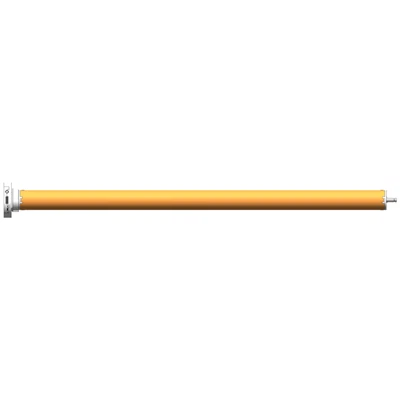
As a supplier of motors for automatic awnings, one question I often get asked is whether these motors can work in cold weather. It's a valid concern, especially for customers in regions with harsh winters. In this blog post, I'll delve into the factors that affect the performance of automatic awning motors in cold conditions and provide some insight on this topic.
How Cold Weather Affects Automatic Awning Motors
Lubricants
One of the primary concerns with cold weather is the impact on lubricants. Most motors use lubricants to reduce friction between moving parts. In cold temperatures, these lubricants can thicken. When lubricants thicken, they become less effective at reducing friction. This increased friction can put additional strain on the motor, causing it to work harder to operate the awning. Over time, this extra strain can lead to premature wear and tear on the motor components, potentially reducing the motor's lifespan.
Battery Performance
For battery - powered automatic awning motors, cold weather can significantly affect battery performance. Batteries rely on chemical reactions to generate power. In cold temperatures, these chemical reactions slow down. As a result, the battery may not be able to deliver the same amount of power as it does in warmer conditions. This can lead to reduced motor speed and torque, and in some cases, the battery may drain more quickly than usual.
Material Contraction
All materials contract in cold weather. The components of the motor, such as the housing, gears, and shafts, are no exception. This contraction can cause changes in the clearances between moving parts. If the clearances become too small, it can lead to binding or jamming of the motor. On the other hand, if the clearances become too large, it can result in increased vibration and noise during operation.
Our Motors' Adaptability to Cold Weather
At our company, we understand the challenges that cold weather poses to automatic awning motors. That's why we've taken several steps to ensure that our motors can perform well even in low - temperature environments.
Special Lubricants
We use special low - temperature lubricants in our motors. These lubricants are formulated to maintain their viscosity and lubricating properties even in cold conditions. They don't thicken as much as traditional lubricants, which means that the motor can operate smoothly with less friction. By using these specialized lubricants, we reduce the risk of premature wear and ensure consistent performance in cold weather.
Battery Optimization
For our battery - powered motors, we've optimized the battery design to perform better in cold temperatures. Our batteries are equipped with advanced thermal management systems that help regulate the battery temperature. This ensures that the chemical reactions within the battery can occur at an optimal rate, even when the outside temperature is low. As a result, our battery - powered motors can maintain their speed and torque in cold weather.
Material Selection
We carefully select the materials used in the construction of our motors. We choose materials with low coefficients of thermal expansion, which means that they contract less in cold weather. This helps to maintain the proper clearances between moving parts, reducing the risk of binding or jamming. Additionally, our motor housings are designed to be robust and resistant to the effects of cold, protecting the internal components from harsh environmental conditions.


Product Recommendations for Cold Climates
If you're in a cold climate, we have several products that are well - suited for your needs.
The 59mm Manual Tubular Motor is a great option. It's designed with high - quality components and the special low - temperature lubricants I mentioned earlier. This motor provides reliable performance even in cold weather, and its manual operation gives you an extra level of control.
The 59mm Manual Radio Tubular Motor combines the benefits of manual operation with the convenience of radio control. It's ideal for those who want the flexibility to operate their awning from a distance. The motor's design and the use of optimized components make it suitable for cold - climate applications.
The 59mm Standard Tubular Motor is another excellent choice. It's a workhorse motor that has been engineered to withstand the rigors of cold weather. With its durable construction and advanced features, it can provide long - term reliable service in cold climates.
Maintenance Tips for Cold Weather
Even with motors that are designed to work in cold weather, proper maintenance is essential to ensure optimal performance.
Regular Inspections
Before the cold season arrives, it's a good idea to inspect your automatic awning motor. Check for any signs of wear or damage, such as loose connections, frayed wires, or worn - out components. If you notice any issues, have them repaired or replaced promptly.
Lubrication Checks
Although our motors use special low - temperature lubricants, it's still important to check the lubrication levels periodically. If the lubricant appears to be low or contaminated, have it replenished or replaced by a professional.
Battery Care
If you have a battery - powered motor, make sure to keep the battery charged. In cold weather, it's a good idea to store the battery in a warm place when the awning is not in use. This can help to extend the battery's life and ensure that it performs well when you need it.
Conclusion
In conclusion, our motors for automatic awnings are designed to work effectively in cold weather. Through the use of special lubricants, battery optimization, and careful material selection, we've addressed the challenges that cold temperatures pose to motor performance. However, proper maintenance is still crucial to ensure long - term reliability.
If you're interested in purchasing motors for automatic awnings, especially for use in cold climates, we'd love to have a conversation with you. Our team of experts can provide you with more detailed information about our products and help you choose the right motor for your specific needs. Contact us today to start the procurement discussion.
References
- Engineering textbooks on motor design and operation in extreme temperatures.
- Industry research papers on the effects of cold weather on mechanical components.
- Internal product development and testing reports from our company.