In the world of interior shading systems, motors play a pivotal role in ensuring smooth and efficient operation. One question that often arises among industry professionals and end - users alike is whether interior shading system motors have a temperature sensor. As a leading supplier of Interior Shading System Motors, I'm here to delve deep into this topic and provide you with comprehensive insights.
The Basics of Interior Shading System Motors
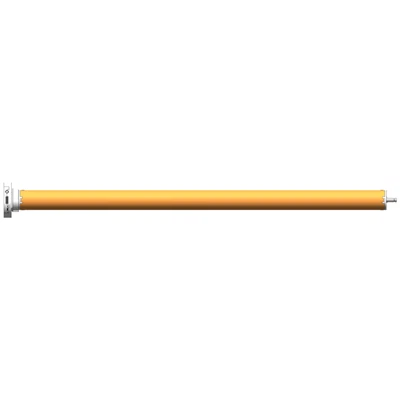
Interior shading system motors are designed to automate the movement of blinds, shades, and curtains. These motors come in various types, including tubular motors, which are widely used due to their compact size and high performance. For instance, our 25mm Battery Electronic Radio Tubular Motor, 25mm Electronic Radio Tubular Motor, and 25mm Smart Electronic Radio Tubular Motor are popular choices in the market.
These motors operate based on electrical energy, which is converted into mechanical energy to drive the shading system. During this process, heat is generated as a by - product. Excessive heat can have detrimental effects on the motor's performance and lifespan. It can cause the insulation of the motor windings to degrade, leading to short - circuits and motor failure. Moreover, high temperatures can also affect the lubricants used in the motor, reducing their effectiveness and increasing friction.
The Role of Temperature Sensors
A temperature sensor in an interior shading system motor serves as a safeguard against overheating. It continuously monitors the temperature of the motor and can trigger protective mechanisms when the temperature exceeds a certain threshold. This can prevent the motor from reaching critical temperatures and potentially damaging itself.
There are different types of temperature sensors that can be used in motors. One common type is the thermistor, which is a resistor whose resistance changes with temperature. As the temperature of the motor increases, the resistance of the thermistor changes, and this change can be detected by the motor's control circuit. Another type is the thermocouple, which generates a voltage proportional to the temperature difference between two junctions.
When a temperature sensor detects an over - temperature condition, it can send a signal to the motor's control system. The control system can then take appropriate actions, such as reducing the motor's speed, shutting down the motor temporarily, or activating a cooling mechanism if available.
Do Interior Shading System Motors Have Temperature Sensors?
The answer to whether interior shading system motors have temperature sensors is not a simple yes or no. It depends on several factors, including the motor's design, intended application, and cost - effectiveness.
In high - end and industrial - grade interior shading system motors, temperature sensors are often included as a standard feature. These motors are typically used in large - scale commercial buildings, where reliability and durability are of utmost importance. The cost of motor failure in such applications can be significant, both in terms of replacement costs and disruption to the building's operations. Therefore, the addition of a temperature sensor is a worthwhile investment to prevent overheating and ensure long - term performance.
On the other hand, in more budget - friendly or consumer - grade motors, temperature sensors may not be included. These motors are often used in residential applications, where the risk of overheating is relatively lower. The cost of adding a temperature sensor may increase the overall price of the motor, making it less competitive in the market. However, some manufacturers may offer temperature sensors as an optional add - on for these motors.
Benefits of Having a Temperature Sensor
For those considering interior shading system motors with temperature sensors, there are several benefits. Firstly, it enhances the motor's reliability. By preventing overheating, the motor is less likely to experience sudden failures, which can save users from the hassle and cost of frequent replacements.
Secondly, it extends the motor's lifespan. Overheating is one of the main factors that contribute to the degradation of motor components. With a temperature sensor, the motor can operate within a safe temperature range, reducing wear and tear on the windings, bearings, and other parts.
Thirdly, it provides peace of mind for users. Knowing that the motor is protected against overheating gives users confidence in the motor's performance, especially in applications where continuous operation is required.
Considerations When Choosing a Motor with a Temperature Sensor
If you are in the market for an interior shading system motor with a temperature sensor, there are a few things to consider. Firstly, you need to ensure that the temperature sensor is accurate and reliable. Look for motors from reputable manufacturers who have a track record of producing high - quality sensors.
Secondly, consider the threshold temperature at which the sensor will trigger the protective mechanism. This threshold should be set at a level that allows the motor to operate efficiently while still protecting it from overheating.
Finally, check the compatibility of the temperature sensor with the motor's control system. The sensor should be able to communicate effectively with the control system to ensure proper operation.
Conclusion
In conclusion, while not all interior shading system motors have temperature sensors, those that do offer significant advantages in terms of reliability, lifespan, and user confidence. As a supplier of Interior Shading System Motors, we understand the importance of providing our customers with options that meet their specific needs. Whether you are looking for a high - end motor with a built - in temperature sensor or a more budget - friendly option, we have a range of products to choose from.


If you are interested in learning more about our interior shading system motors or would like to discuss your specific requirements, we invite you to reach out to us. We are here to assist you in finding the perfect motor for your interior shading system. Our team of experts can provide you with detailed information and guidance to ensure that you make an informed decision.
References
- "Electric Motors and Drives: Fundamentals, Types and Applications" by Austin Hughes and Bill Drury
- "Motor Handbook" by Arnold E. Fitzgerald, Charles Kingsley Jr., and Stephen D. Umans