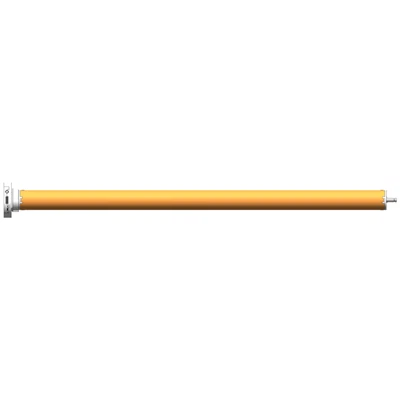
Cold weather can pose significant challenges to the performance and longevity of automatic awning motors. As a trusted supplier of high - quality automatic awning motors, including the 45mm Manual Radio Tubular Motor, 45mm Radio Tubular Motor, and 45mm Standard Tubular Motor, I understand the importance of protecting these motors during the colder months. In this blog, I will share some practical tips and strategies to safeguard your automatic awning motor in cold weather.
Understanding the Impact of Cold Weather on Automatic Awning Motors
Before delving into the protective measures, it's crucial to understand how cold weather affects automatic awning motors. Low temperatures can cause several issues:
- Lubricant Viscosity: Lubricants used in the motor and its moving parts thicken in cold weather. This increased viscosity can impede the smooth operation of the motor, leading to increased friction and wear.
- Battery Performance: If your awning motor is battery - powered, cold temperatures can significantly reduce the battery's capacity and performance. Batteries tend to discharge more quickly in the cold, and their ability to hold a charge is also diminished.
- Material Contraction: Metals and other materials used in the motor construction contract in cold weather. This contraction can cause parts to fit more tightly, potentially leading to binding or misalignment.
- Moisture and Frost: Cold weather often brings moisture in the form of rain, snow, or frost. Moisture can seep into the motor, causing corrosion and electrical short - circuits.
Pre - Winter Preparation
The key to protecting your automatic awning motor in cold weather starts with proper pre - winter preparation. Here are some steps you can take:


- Clean the Awning and Motor: Before the cold weather sets in, thoroughly clean the awning and the motor. Remove any dirt, debris, leaves, or other contaminants that may have accumulated over the warmer months. Use a soft brush or a gentle stream of water to clean the awning fabric and the motor housing. This helps prevent the buildup of moisture - attracting dirt, which can lead to corrosion.
- Inspect for Damage: Carefully inspect the awning and the motor for any signs of damage. Check for frayed wires, loose connections, cracked housing, or worn - out parts. Address any issues immediately to prevent further damage during the cold weather. If you're unsure about how to repair a particular problem, it's advisable to consult a professional.
- Lubricate Moving Parts: Apply a high - quality lubricant to all the moving parts of the motor, such as gears, bearings, and chains. Choose a lubricant specifically designed for use in cold temperatures, as it will maintain its fluidity even in low - temperature conditions. Follow the manufacturer's instructions when applying the lubricant to ensure proper coverage.
- Cover the Awning: If possible, cover the awning with a protective cover during the winter months. A cover helps shield the awning and the motor from snow, ice, and harsh weather conditions. Make sure the cover is made of a waterproof and breathable material to prevent moisture buildup.
During the Cold Season
Once winter arrives, there are several ongoing measures you can take to protect your automatic awning motor:
- Limit Motor Use: In extremely cold weather, try to limit the use of the automatic awning motor. Frequent operation in cold conditions can put additional stress on the motor, especially if the lubricant has thickened. Only open and close the awning when necessary.
- Keep the Motor Warm: If your awning is installed in an area where it's exposed to the elements, consider using a motor heater. A motor heater is a small device that can be attached to the motor housing to keep the motor at a more stable temperature. This helps prevent the lubricant from thickening and ensures smooth operation.
- Monitor Battery Performance: If your motor is battery - powered, keep a close eye on the battery's performance. Charge the battery regularly, and if possible, store it in a warm place when not in use. You may also want to consider using a battery charger with a built - in temperature sensor to optimize the charging process in cold weather.
- Remove Snow and Ice Promptly: If snow or ice accumulates on the awning, remove it as soon as possible. The weight of snow and ice can put excessive stress on the awning and the motor, potentially causing damage. Use a soft broom or a snow rake to gently remove the snow, being careful not to damage the awning fabric or the motor.
Post - Winter Maintenance
Once the cold weather has passed, it's important to perform post - winter maintenance on your automatic awning motor:
- Inspect Again: After the winter, conduct another thorough inspection of the awning and the motor. Look for any signs of damage that may have occurred during the cold season, such as corrosion, rust, or mechanical wear. Replace any damaged parts as needed.
- Clean and Lubricate: Clean the awning and the motor again to remove any remaining dirt, salt, or other contaminants that may have been deposited during the winter. Re - lubricate the moving parts with a fresh application of lubricant to ensure smooth operation throughout the warmer months.
- Test the Motor: Before regular use, test the motor to make sure it's functioning properly. Open and close the awning several times to check for any unusual noises, vibrations, or malfunctions. If you notice any issues, have the motor inspected by a professional.
Special Considerations for Different Types of Automatic Awning Motors
- AC - Powered Motors: AC - powered motors are generally more reliable in cold weather compared to battery - powered motors. However, they are still susceptible to moisture and temperature - related issues. Make sure the electrical connections are properly insulated to prevent moisture from causing short - circuits.
- Battery - Powered Motors: As mentioned earlier, battery - powered motors require extra attention in cold weather. In addition to monitoring the battery performance, you may want to consider upgrading to a battery with better cold - weather performance. Some batteries are specifically designed for use in low - temperature environments.
- Solar - Powered Motors: Solar - powered motors rely on sunlight to charge their batteries. In winter, when sunlight hours are shorter, it's important to ensure that the solar panels are clean and properly positioned to receive as much sunlight as possible. You may also need to supplement the solar charging with a traditional battery charger if the battery is not getting enough charge from the sun.
Conclusion
Protecting your automatic awning motor in cold weather is essential for ensuring its long - term performance and reliability. By understanding the impact of cold weather, taking proper pre - winter preparation steps, and implementing ongoing protective measures during the cold season, you can significantly reduce the risk of damage to your motor.
If you're in the market for a high - quality automatic awning motor that can withstand cold weather conditions, we have a wide range of options available, including the 45mm Manual Radio Tubular Motor, 45mm Radio Tubular Motor, and 45mm Standard Tubular Motor. Our motors are designed with durability and performance in mind, and we can provide you with expert advice on how to protect them in all weather conditions. Contact us today to discuss your specific needs and start the procurement process.
References
- "Maintenance Guide for Automatic Awning Systems" - Manufacturer's Manual
- "Effects of Cold Weather on Electrical Equipment" - Electrical Engineering Journal
- "Best Practices for Protecting Outdoor Equipment in Winter" - Home Improvement Magazine