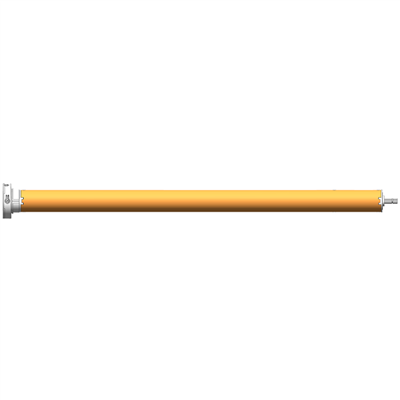
Installing a safety edge sensor with a tubular motor for a roller door is a crucial process that enhances the safety and functionality of the door system. As a leading supplier of tubular motors for roller doors, I'm here to guide you through this installation process step by step.
Understanding the Components
Before we dive into the installation process, it's essential to understand the key components involved. A tubular motor is the driving force behind the roller door, providing the power to open and close it. There are different types of tubular motors available, such as the 59mm Manual Tubular Motor, the 59mm Electronic Radio Tubular Motor, and the 59mm Standard Tubular Motor. Each type has its own features and advantages, and you can choose the one that best suits your needs.
A safety edge sensor, on the other hand, is a device that detects any obstruction in the path of the closing door. When an obstruction is detected, the sensor sends a signal to the tubular motor to stop and reverse the door's movement, preventing any potential accidents or damage.
Tools and Materials Required
To install a safety edge sensor with a tubular motor for a roller door, you'll need the following tools and materials:
- Tubular motor: Choose the appropriate tubular motor based on the size and weight of your roller door.
- Safety edge sensor: Select a high-quality safety edge sensor that is compatible with your tubular motor.
- Screwdriver set: You'll need different sizes of screwdrivers to remove and install the necessary components.
- Drill and drill bits: For making holes in the door frame if required.
- Wire strippers and crimpers: To connect the wires of the safety edge sensor to the tubular motor.
- Electrical tape: To insulate the wire connections.
- Measuring tape: To ensure accurate placement of the components.
Step-by-Step Installation Process
Step 1: Prepare the Roller Door
Before installing the tubular motor and safety edge sensor, make sure the roller door is clean and free of any debris. Check the door for any damage or misalignment and repair it if necessary. Also, ensure that the door is in the fully open position.
Step 2: Install the Tubular Motor
- Measure and mark: Use a measuring tape to determine the correct position for the tubular motor on the door frame. Mark the mounting holes on the frame according to the motor's installation instructions.
- Drill the holes: Using a drill and the appropriate drill bits, drill the holes in the marked positions on the door frame.
- Mount the motor: Place the tubular motor in the drilled holes and secure it using the provided screws. Make sure the motor is level and firmly attached to the frame.
- Connect the power supply: Follow the wiring diagram provided with the tubular motor to connect the power supply. Use wire strippers and crimpers to make the connections, and insulate them with electrical tape.
Step 3: Install the Safety Edge Sensor
- Measure and cut: Measure the length of the safety edge sensor according to the width of the roller door. Use a sharp knife or scissors to cut the sensor to the appropriate length.
- Attach the sensor to the door: Peel off the adhesive backing of the safety edge sensor and carefully attach it to the bottom edge of the roller door. Make sure the sensor is straight and evenly installed.
- Connect the sensor to the motor: Locate the connection terminals on the tubular motor and the safety edge sensor. Connect the wires of the sensor to the corresponding terminals on the motor using wire strippers and crimpers. Again, insulate the connections with electrical tape.
Step 4: Test the System
Once the installation is complete, it's time to test the system to ensure that everything is working properly.


- Power on the motor: Turn on the power supply to the tubular motor and test the door's opening and closing functions. Make sure the motor operates smoothly and without any unusual noises.
- Test the safety edge sensor: Place an object in the path of the closing door to test the safety edge sensor. When the sensor detects the obstruction, the door should stop and reverse its movement. If the sensor doesn't work as expected, check the wire connections and make sure the sensor is properly installed.
Troubleshooting Tips
If you encounter any problems during the installation or testing process, here are some troubleshooting tips:
- Motor not working: Check the power supply connections to ensure they are secure. Also, check the motor's fuse or circuit breaker to see if it has tripped.
- Safety edge sensor not detecting obstructions: Make sure the sensor is properly attached to the door and that the wire connections are correct. You can also try cleaning the sensor to remove any dirt or debris that may be affecting its performance.
- Door not closing or opening fully: Check the door for any obstructions or misalignment. Adjust the limit switches on the tubular motor if necessary to ensure the door opens and closes to the desired position.
Maintenance and Care
To ensure the long-term performance and reliability of your roller door system, it's important to perform regular maintenance and care.
- Clean the components: Regularly clean the tubular motor, safety edge sensor, and other components of the door system to remove any dirt or debris.
- Lubricate the moving parts: Apply lubricant to the moving parts of the tubular motor and the door mechanism to reduce friction and wear.
- Inspect the system: Periodically inspect the door system for any signs of damage or wear. Replace any worn or damaged components as soon as possible.
Conclusion
Installing a safety edge sensor with a tubular motor for a roller door is a relatively straightforward process that can significantly enhance the safety and functionality of the door system. By following the step-by-step instructions provided in this blog, you can install the components correctly and ensure that your roller door operates smoothly and safely.
If you have any questions or need further assistance with the installation process, or if you're interested in purchasing tubular motors or safety edge sensors for your roller door, please don't hesitate to contact us. We're always here to help you find the best solutions for your needs.
References
- Manufacturer's installation instructions for tubular motors and safety edge sensors.
- Electrical wiring standards and guidelines.
This blog provides a comprehensive guide on how to install a safety edge sensor with a tubular motor for a roller door. It includes detailed steps, troubleshooting tips, and maintenance advice to help you complete the installation successfully. The inclusion of the hyperlinks to the different types of tubular motors allows readers to explore the product options further. The conclusion encourages readers to contact the supplier for any inquiries or purchases, fulfilling the requirement of guiding the contact for procurement. The references at the end add credibility to the information provided.