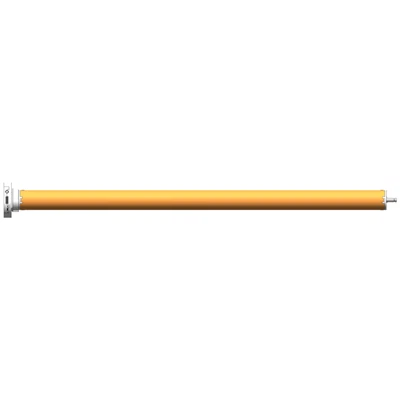
Saltwater corrosion is a significant concern for motors used in automatic awnings, especially in coastal areas or locations with high humidity and salt content in the air. As a leading supplier of motors for automatic awnings, I understand the challenges that saltwater corrosion poses to the longevity and performance of these motors. In this blog post, I will share some effective strategies to protect your automatic awning motors from saltwater corrosion.
Understanding Saltwater Corrosion
Before delving into protection methods, it's essential to understand how saltwater corrosion occurs. Saltwater contains various salts, primarily sodium chloride, which can conduct electricity. When a metal motor comes into contact with saltwater, an electrochemical reaction takes place. The metal atoms lose electrons and dissolve into the saltwater, leading to the formation of metal ions and corrosion products. This process can weaken the motor's components, cause electrical malfunctions, and ultimately lead to motor failure.
Choose the Right Motor
The first step in protecting your automatic awning motor from saltwater corrosion is to choose the right motor. At our company, we offer a range of motors designed to withstand harsh environments, including saltwater exposure. For example, our 59mm Radio Tubular Motor is built with high - quality materials and advanced manufacturing techniques that provide enhanced resistance to corrosion.
The 59mm Manual Radio Tubular Motor and 59mm Electronic Radio Tubular Motor also feature corrosion - resistant coatings and sealed enclosures to prevent saltwater from entering the motor's internal components. These motors are made from materials such as stainless steel and aluminum, which are known for their corrosion resistance properties.


Protective Coatings
Applying protective coatings to the motor is an effective way to prevent saltwater corrosion. There are several types of coatings available, each with its own advantages.
Epoxy Coatings
Epoxy coatings are a popular choice for protecting motors from corrosion. They form a hard, durable barrier that resists the penetration of saltwater and other corrosive substances. Epoxy coatings can be applied to the motor's exterior surface, providing long - term protection against rust and corrosion.
Powder Coatings
Powder coatings are another option. They are electrostatically applied to the motor and then cured under heat to form a smooth, uniform finish. Powder coatings offer excellent adhesion and corrosion resistance, and they can also enhance the motor's appearance.
Galvanization
Galvanization involves coating the motor with a layer of zinc. Zinc is a sacrificial metal, which means it corrodes before the underlying metal. This process provides an additional layer of protection against saltwater corrosion.
Sealing and Enclosures
Ensuring that the motor is properly sealed is crucial for preventing saltwater from entering its internal components. A well - sealed motor enclosure can keep out moisture, salt, and other contaminants.
Gaskets and O - rings
Using high - quality gaskets and O - rings is essential for creating a tight seal. These components should be made from materials that are resistant to saltwater and other chemicals. Regularly inspect and replace gaskets and O - rings to ensure they are in good condition.
Enclosure Design
The design of the motor enclosure also plays a vital role in protecting against saltwater corrosion. The enclosure should be designed to prevent water from pooling on the motor's surface. It should have proper drainage holes to allow any accumulated water to escape. Additionally, the enclosure should be made from a corrosion - resistant material and have a smooth finish to prevent the buildup of salt and dirt.
Regular Maintenance
Regular maintenance is key to keeping your automatic awning motor in good condition and protecting it from saltwater corrosion.
Cleaning
Regularly clean the motor to remove salt, dirt, and other contaminants. Use a soft brush and a mild detergent to gently clean the motor's exterior surface. Avoid using abrasive materials that could damage the protective coatings. After cleaning, rinse the motor thoroughly with fresh water and dry it completely.
Inspection
Inspect the motor regularly for signs of corrosion, such as rust spots, discoloration, or damage to the protective coatings. Check the gaskets, O - rings, and electrical connections for any signs of wear or damage. If you notice any issues, address them immediately to prevent further damage.
Lubrication
Proper lubrication is essential for the smooth operation of the motor. Use a lubricant that is suitable for use in a saltwater environment. Lubricate the moving parts of the motor according to the manufacturer's recommendations.
Environmental Considerations
In addition to the above measures, considering the motor's environment can also help protect it from saltwater corrosion.
Installation Location
Choose an installation location that is sheltered from direct exposure to saltwater spray. If possible, install the awning motor under a roof or in a covered area. This can significantly reduce the motor's exposure to salt and moisture.
Ventilation
Proper ventilation is important to prevent the buildup of humidity inside the motor enclosure. Ensure that the installation area has good air circulation to keep the motor dry.
Storage
If the awning is not in use for an extended period, proper storage is crucial to protect the motor from saltwater corrosion.
Cleaning and Drying
Before storing the motor, clean it thoroughly to remove any salt, dirt, or moisture. Dry the motor completely to prevent the growth of mold and mildew.
Storage Conditions
Store the motor in a dry, cool place. Avoid storing it in an area with high humidity or direct exposure to saltwater. If possible, cover the motor with a protective cover to prevent dust and dirt from accumulating on its surface.
Conclusion
Protecting a motor for an automatic awning from saltwater corrosion requires a combination of proper motor selection, protective coatings, sealing, regular maintenance, and environmental considerations. By following these strategies, you can extend the lifespan of your motor and ensure its reliable performance in saltwater - prone environments.
As a trusted supplier of motors for automatic awnings, we are committed to providing high - quality products and expert advice to our customers. If you are looking for a motor that can withstand saltwater corrosion, or if you have any questions about motor protection, please do not hesitate to contact us for procurement and further discussions.
References
- Jones, D. A. (1992). Principles and Prevention of Corrosion. Prentice Hall.
- Uhlig, H. H., & Revie, R. W. (1985). Corrosion and Corrosion Control. Wiley - Interscience.
- ASM International. (2000). Corrosion Basics: An Introduction. ASM International.