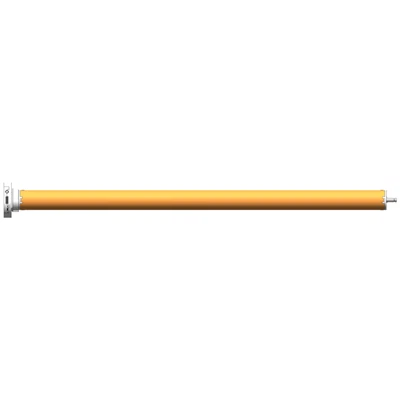
Hey there! As a supplier of DC tubular motors, I've seen firsthand how annoying motor vibration can be. It not only affects the performance of the motor but also shortens its lifespan. In this blog post, I'll share some practical tips on how to reduce the vibration of a DC tubular motor.
Understanding the Causes of Vibration
Before we dive into the solutions, it's important to understand what causes the vibration in the first place. There are several factors that can contribute to motor vibration:
- Imbalance: If the motor's rotor is not balanced properly, it can cause uneven forces that lead to vibration. This can happen due to manufacturing defects or wear and tear over time.
- Loose Components: Loose bolts, screws, or other components can also cause vibration. As the motor runs, these loose parts can rattle and shake, creating unwanted noise and vibration.
- Misalignment: When the motor is not properly aligned with the load it's driving, it can cause excessive vibration. This can happen if the motor is installed incorrectly or if the load shifts over time.
- Worn Bearings: Bearings are essential components that support the motor's rotating parts. If the bearings are worn out, they can cause the motor to vibrate as it runs.
- Electrical Issues: Electrical problems such as voltage fluctuations, improper wiring, or faulty capacitors can also lead to motor vibration.
Tips to Reduce Vibration
Now that we know what causes motor vibration, let's look at some ways to reduce it:
1. Balance the Rotor
One of the most effective ways to reduce vibration is to balance the motor's rotor. This involves adding or removing weight from the rotor to ensure that it rotates evenly. You can use a balancing machine to accurately measure the imbalance and make the necessary adjustments. If you're not familiar with balancing rotors, it's best to hire a professional to do it for you.
2. Tighten Loose Components
Regularly inspect the motor for loose bolts, screws, and other components. Use a torque wrench to tighten them to the manufacturer's specifications. This will help prevent rattling and shaking, reducing vibration and noise.
3. Ensure Proper Alignment
Make sure the motor is properly aligned with the load it's driving. Use alignment tools to check the alignment and make any necessary adjustments. If the motor is misaligned, it can cause excessive vibration and premature wear on the motor and the load.
4. Replace Worn Bearings
If you notice that the motor is vibrating more than usual, it could be a sign that the bearings are worn out. Replace the bearings as soon as possible to prevent further damage to the motor. When replacing the bearings, make sure to use high-quality bearings that are compatible with your motor.


5. Check Electrical Connections
Inspect the electrical connections to ensure they are tight and secure. Loose or corroded connections can cause voltage fluctuations and other electrical problems, leading to motor vibration. If you're not comfortable working with electricity, hire a qualified electrician to check the electrical system for you.
6. Use Vibration Dampeners
Vibration dampeners are devices that absorb and reduce vibration. You can install vibration dampeners on the motor or the mounting surface to help reduce the amount of vibration that is transmitted to the surrounding environment. There are several types of vibration dampeners available, including rubber mounts, spring mounts, and hydraulic dampeners.
7. Choose the Right Motor
When selecting a DC tubular motor, choose one that is designed to operate smoothly and quietly. Look for motors that have a high-quality construction and are built to withstand the demands of your application. Some motors are specifically designed to reduce vibration and noise, such as the 25mm Standard Tubular Motor, 25mm Battery Electronic Radio Tubular Motor, and 25mm Smart Electronic Radio Tubular Motor. These motors are engineered to provide reliable performance with minimal vibration and noise.
Regular Maintenance
In addition to the above tips, regular maintenance is essential to keep your DC tubular motor running smoothly and quietly. Here are some maintenance tasks you should perform regularly:
- Clean the Motor: Use a soft brush or compressed air to remove dirt, dust, and debris from the motor. This will help prevent overheating and other problems.
- Lubricate Moving Parts: Lubricate the motor's bearings and other moving parts regularly to reduce friction and wear. Use a high-quality lubricant that is recommended by the motor manufacturer.
- Inspect the Motor: Regularly inspect the motor for signs of wear, damage, or other problems. Look for loose connections, worn bearings, and other issues that could cause vibration or other problems.
- Test the Motor: Periodically test the motor to ensure that it is operating properly. Use a multimeter to check the voltage, current, and resistance of the motor. If you notice any abnormal readings, it could be a sign of a problem.
Conclusion
Reducing the vibration of a DC tubular motor is essential for ensuring its reliable performance and longevity. By following the tips outlined in this blog post, you can minimize vibration and noise, improve the motor's efficiency, and extend its lifespan. Remember to choose the right motor for your application, perform regular maintenance, and address any problems promptly.
If you're in the market for a high-quality DC tubular motor or need help reducing vibration in your existing motor, feel free to reach out to us. We're here to help you find the best solution for your needs.
References
- "Electric Motor Vibration Analysis and Troubleshooting." Electrical Engineering Portal.
- "How to Balance an Electric Motor Rotor." Machinery Lubrication.
- "Motor Vibration: Causes and Solutions." Grainger KnowHow.