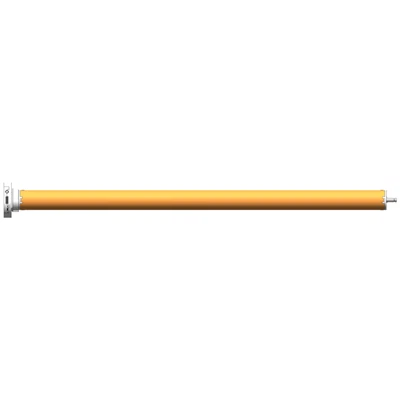
Tubular motors are essential components in modern garage door systems, offering convenience and functionality. As a supplier of tubular motors for garage doors, I've encountered various common problems reported by customers over the years. Understanding these issues can help both installers and end - users troubleshoot and maintain their garage door systems effectively.
1. Motor Overheating
One of the most prevalent problems with tubular motors for garage doors is overheating. This can occur due to several reasons. Firstly, continuous operation without sufficient rest periods can cause the motor to overheat. For instance, if the garage door is opened and closed frequently within a short time frame, the motor doesn't have enough time to cool down.
Secondly, improper installation can also lead to overheating. If the motor is not installed in a well - ventilated area, heat dissipation is restricted. The motor generates heat during operation, and if it cannot release this heat efficiently, the temperature inside the motor will rise rapidly.


Another factor is mechanical resistance. A garage door that is misaligned, has damaged rollers, or has excessive friction in its tracks will require the motor to work harder. This increased workload leads to more heat generation. When a motor overheats, it can cause premature wear and tear on its components, reduce its lifespan, and in severe cases, even lead to motor failure.
To prevent overheating, it's important to ensure proper installation with adequate ventilation. Also, limit the frequency of door operations, and regularly maintain the garage door to reduce mechanical resistance.
2. Noise and Vibration
Unusual noise and vibration are common complaints related to tubular motors. There are multiple causes for this problem. Worn - out bearings are a primary culprit. Bearings are responsible for supporting the rotating parts of the motor. Over time, due to continuous use, these bearings can wear out, causing the motor to vibrate and produce a grinding or rattling noise.
Loose components can also contribute to noise and vibration. During the installation process, if the motor is not securely fastened or if some internal parts are loose, it can result in excessive movement and noise. Additionally, a misaligned drive belt or chain can cause uneven movement, leading to vibrations and noise.
Noise and vibration not only disrupt the peace but can also indicate underlying mechanical problems. If left unaddressed, these issues can lead to more significant damage to the motor and other parts of the garage door system. Regular inspection and tightening of components, as well as timely replacement of worn - out bearings, can help reduce noise and vibration.
3. Electrical Problems
Electrical issues are another common headache for tubular motor users. Faulty wiring is a frequent problem. Over time, wires can become frayed, damaged, or loose due to factors such as temperature changes, physical stress, or rodent activity. A loose connection can cause intermittent power supply to the motor, resulting in erratic door movement or failure to operate.
Power surges can also damage the motor's electrical components. Lightning strikes, electrical grid issues, or improper use of electrical appliances in the vicinity can cause sudden spikes in voltage. These power surges can fry the motor's control board, relays, or other sensitive electrical parts.
The control system of the tubular motor can also malfunction. Remote controls may stop working, or the wall - mounted control panel may give incorrect signals. This can be due to low battery in the remote, programming errors, or internal faults in the control system.
To address electrical problems, it's crucial to have a professional electrician inspect and repair the wiring. Installing surge protectors can safeguard the motor from power surges. For control system issues, re - programming the remote or control panel may solve the problem, but in some cases, replacement of the control components may be necessary.
4. Limited Lifespan of the Motor
The lifespan of a tubular motor can be affected by multiple factors. As mentioned earlier, overheating, excessive noise and vibration, and electrical problems can all reduce the motor's lifespan. In addition, the quality of the motor itself plays a significant role. Cheaper motors may be made from lower - quality materials and have less precise manufacturing processes, which can lead to premature failure.
The frequency of use also impacts the motor's lifespan. A garage door that is used several times a day will put more stress on the motor compared to one that is used less frequently. Environmental factors such as humidity, dust, and extreme temperatures can also take a toll on the motor. Moisture can cause corrosion of internal components, while dust can clog the motor's ventilation channels and increase friction.
To extend the lifespan of the motor, choose a high - quality product from a reputable supplier. Regular maintenance, including cleaning, lubrication, and inspection, can also help identify and address potential problems before they cause significant damage.
5. Compatibility Issues
Compatibility problems can arise when trying to integrate a tubular motor with an existing garage door system. Different garage doors have different weight, size, and design requirements. If the motor is not properly matched to the door, it may not be able to lift or lower the door effectively.
For example, a motor with insufficient torque may struggle to open a heavy garage door, leading to slow operation or even failure to open the door at all. On the other hand, a motor with too much torque can cause excessive stress on the door's components, leading to premature wear and damage.
In addition, the control system of the motor may not be compatible with the existing remote controls or wall - mounted panels. This can result in difficulties in operating the garage door.
When selecting a tubular motor, it's essential to consider the specifications of the garage door carefully. Our company offers a range of tubular motors, including the 92mm Manual Override Tubular Motor, 92mm Standard Tubular Motor, and 92mm Manual Tubular Motor, which are designed to meet different garage door requirements. Our technical team can also provide guidance on motor selection to ensure compatibility.
Conclusion
In conclusion, tubular motors for garage doors can face several common problems, including overheating, noise and vibration, electrical issues, limited lifespan, and compatibility problems. As a supplier, we understand the importance of providing high - quality products and comprehensive support to our customers. By being aware of these problems and taking proactive measures to prevent and address them, users can ensure the smooth and reliable operation of their garage door systems.
If you are experiencing any problems with your tubular motor or are interested in purchasing a new one, please feel free to contact us. Our team of experts is ready to assist you in finding the right solution for your garage door needs. We can provide detailed product information, technical support, and help you with the installation process. Let's work together to ensure your garage door system operates at its best.
References
- "Garage Door Motor Maintenance Guide" - Industry publication on garage door systems.
- "Electrical Safety in Garage Door Motors" - A technical report on electrical issues in garage door motors.
- "Mechanical Failures in Tubular Motors" - Research on common mechanical problems in tubular motors.