When it comes to historical buildings, the integration of modern amenities must be approached with great care and respect for their cultural and architectural heritage. Automatic awnings can offer practical benefits such as sun protection and energy efficiency, but the use of motors for these awnings in historical buildings is subject to various restrictions. As a supplier of motors for automatic awnings, I have witnessed firsthand the challenges and considerations that come with installing these motors in such sensitive environments.
Preservation of Architectural Integrity
One of the primary concerns when using motors for automatic awnings in historical buildings is the preservation of their architectural integrity. Historical buildings are often protected by local, national, or international regulations that aim to safeguard their unique features and character. Any modifications or installations must be carefully planned and executed to ensure that they do not detract from the building's original appearance.
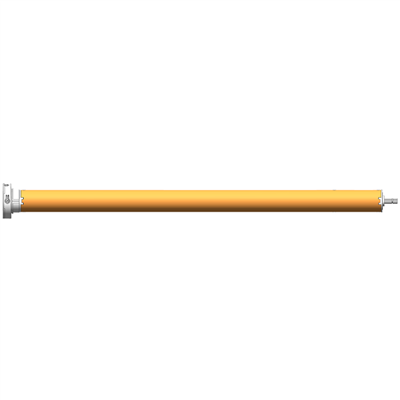
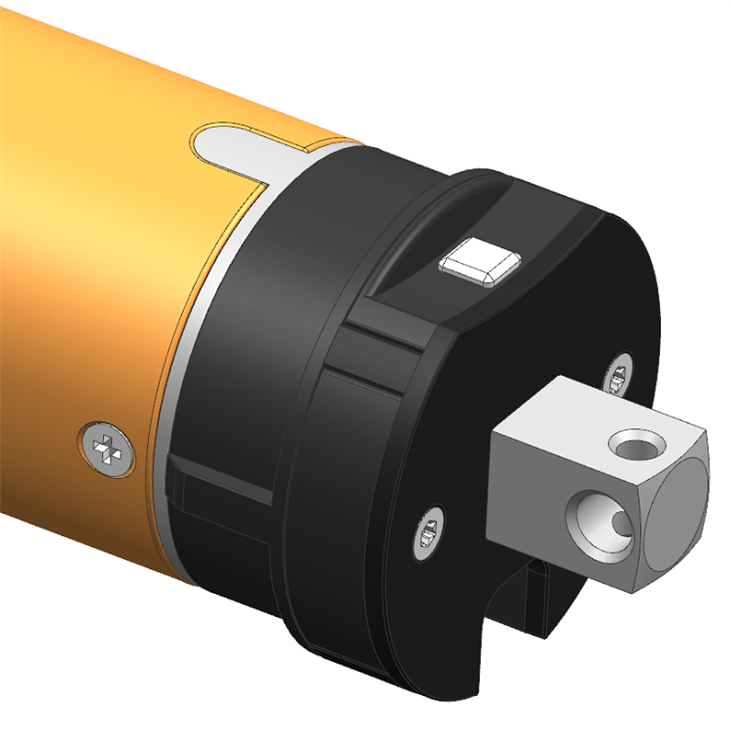
In many cases, the use of visible motors or wiring can be considered intrusive and may not be permitted. Instead, motors that can be concealed within the awning structure or integrated into existing architectural elements are often preferred. For example, 59mm Manual Radio Tubular Motor is designed to be compact and can be easily hidden within the awning tube, minimizing its visual impact on the building's facade.
Compatibility with Historical Materials
Historical buildings are typically constructed using traditional materials such as wood, stone, and brick. These materials may have different structural properties and sensitivities compared to modern building materials. When installing motors for automatic awnings, it is crucial to ensure that they are compatible with the existing historical materials and do not cause any damage or deterioration.
For instance, the weight and vibration of the motor can potentially affect the stability of the awning and the building structure. Therefore, motors with a low noise and vibration level, such as the 59mm Standard Tubular Motor, are often recommended to minimize the impact on the building. Additionally, the installation process should be carefully planned to avoid any drilling or modifications that could compromise the integrity of the historical materials.
Compliance with Heritage Regulations
In addition to local building codes, the use of motors for automatic awnings in historical buildings may also be subject to specific heritage regulations. These regulations are designed to protect the cultural and historical significance of the building and may impose strict requirements on the type, location, and installation of the motors.
Before installing any motors, it is essential to obtain the necessary permits and approvals from the relevant heritage authorities. This may involve submitting detailed plans and specifications of the proposed installation, as well as demonstrating how the motors will comply with the heritage regulations. Failure to comply with these regulations can result in significant fines and legal consequences.

Energy Efficiency and Sustainability
In recent years, there has been a growing emphasis on energy efficiency and sustainability in building design and renovation. When choosing motors for automatic awnings in historical buildings, it is important to consider their energy consumption and environmental impact.
Modern motors are available with advanced energy-saving features, such as variable speed control and low-power standby modes. The 59mm Electronic Radio Tubular Motor is equipped with intelligent control systems that can optimize the motor's performance based on the environmental conditions, reducing energy consumption and operating costs.
Maintenance and Longevity
Historical buildings often require regular maintenance and preservation to ensure their long-term viability. When selecting motors for automatic awnings, it is important to choose products that are reliable, durable, and easy to maintain.
Motors with a long service life and a low failure rate can minimize the need for frequent repairs and replacements, reducing the disruption to the building's occupants and the historical fabric. Additionally, the availability of spare parts and technical support is crucial to ensure that any maintenance or repairs can be carried out promptly and efficiently.
Conclusion
The use of motors for automatic awnings in historical buildings presents unique challenges and considerations. As a supplier of motors for automatic awnings, I understand the importance of balancing the practical benefits of these motors with the need to preserve the cultural and architectural heritage of historical buildings.
By carefully considering the preservation of architectural integrity, compatibility with historical materials, compliance with heritage regulations, energy efficiency, and maintenance requirements, it is possible to select and install motors that meet the specific needs of historical buildings. If you are planning to install automatic awnings in a historical building, I encourage you to contact me to discuss your requirements and explore the suitable motor options. Our team of experts can provide you with professional advice and solutions to ensure a successful installation that respects the historical significance of your building.
References
- "Guidelines for the Preservation of Historic Buildings" by the National Trust for Historic Preservation.
- "Standards for the Treatment of Historic Properties" by the U.S. Secretary of the Interior.
- "Energy Efficiency in Historic Buildings" by the International Council on Monuments and Sites (ICOMOS).