Hey there! As a supplier of tubular motors for garage doors, I often get asked about the differences between tubular motors for garage doors and magnetic garage door systems. So, I thought I'd take a few minutes to break it down for you.
How Tubular Motors for Garage Doors Work
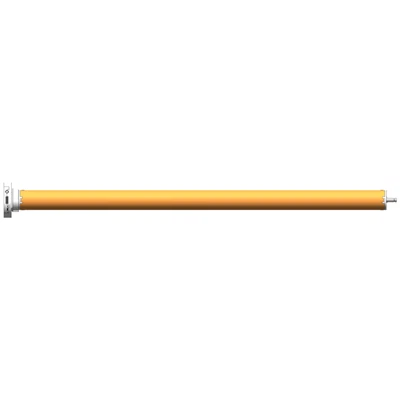
Let's start with tubular motors for garage doors. These motors are pretty cool. They're designed to fit inside the roller tube of a garage door, which is why they're called tubular motors. This setup makes them super space - efficient. You don't have to worry about finding extra room in your garage for a bulky motor.
The way they work is simple. When you press the remote control or use the wall switch, an electrical signal is sent to the motor. The motor then starts to turn, and this rotation is transferred to the roller tube. As the tube turns, it either winds up or unwinds the garage door, opening or closing it.
One of the great things about tubular motors is their versatility. We offer different types, like the 92mm Manual Override Tubular Motor. This one is handy because if there's a power outage, you can manually open and close the garage door. Then there's the 92mm Manual Tubular Motor, which gives you the option to operate the door manually all the time. And the 92mm Standard Tubular Motor is a reliable choice for regular automated use.
The Magic of Magnetic Garage Door Systems
Now, let's talk about magnetic garage door systems. These are a bit different. Instead of using a traditional motor to open and close the door, they rely on magnetic force.
The basic principle behind a magnetic garage door system is that there are magnets installed on the door and on the garage frame. When you activate the system, the magnetic fields interact in a way that either pulls the door up (to open it) or pushes it down (to close it).
One of the big advantages of magnetic systems is their quiet operation. Since there aren't as many moving parts as in a tubular motor system, there's less noise when the door is opening or closing. This can be a huge plus if you have a living space above or adjacent to the garage.
Key Differences
1. Installation
Tubular motors are generally easier to install. You just need to fit the motor inside the roller tube, connect the electrical wires, and you're pretty much good to go. It's a straightforward process that doesn't require a lot of specialized knowledge.
On the other hand, magnetic garage door systems can be a bit more complex to install. You have to carefully position the magnets on both the door and the frame to ensure proper alignment and operation. This often requires a professional installer to get it right.
2. Maintenance
When it comes to maintenance, tubular motors are relatively low - maintenance. You might need to lubricate the moving parts every once in a while and check the electrical connections. But overall, as long as you follow the manufacturer's guidelines, they can last for a long time without major issues.
Magnetic systems also don't require a ton of maintenance, but the magnets need to be checked regularly. Over time, the magnetic strength can weaken, and if the alignment of the magnets is off, the door might not operate smoothly.
3. Cost
Cost is always a factor. Tubular motors are usually more budget - friendly. They're a well - established technology, and the production costs are relatively low. This means you can get a good quality tubular motor at a reasonable price.
Magnetic garage door systems, on the other hand, tend to be more expensive. The technology is newer, and the cost of the magnets and the specialized components is higher. So, if you're on a tight budget, a tubular motor might be the better choice.
4. Safety
Both systems have safety features. Tubular motors often come with features like auto - reverse. If the door hits an object while closing, it will automatically reverse and open again to prevent damage or injury.
Magnetic systems also have safety mechanisms. For example, they can be programmed to stop if there's an abnormal magnetic field interference, which could indicate an obstruction.
5. Performance in Extreme Conditions
Tubular motors are pretty robust and can handle a wide range of temperatures and weather conditions. They're designed to work in both hot and cold environments, and as long as they're properly protected from the elements, they'll perform well.
Magnetic systems can be a bit more sensitive to extreme temperatures. High heat can sometimes affect the magnetic properties, and in very cold conditions, the operation might slow down.
Which One Should You Choose?
So, which system is right for you? Well, it depends on your needs and preferences.


If you're looking for an affordable, easy - to - install, and reliable option, a tubular motor for your garage door is a great choice. It's a tried - and - true technology that has been used in garages around the world for years.
On the other hand, if you value quiet operation and don't mind spending a bit more, a magnetic garage door system might be worth considering. It offers a modern and high - tech solution for opening and closing your garage door.
As a supplier of tubular motors for garage doors, I can tell you that our products are top - notch. We've been in the business for a while, and we know what it takes to make a great motor. Whether you need a motor for a small residential garage or a large commercial one, we've got you covered.
If you're interested in learning more about our tubular motors or have any questions about the differences between tubular motors and magnetic garage door systems, don't hesitate to reach out. We're here to help you make the best decision for your garage door needs. Let's start a conversation about your project and see how we can work together.
References
- "Garage Door Motor Technology: A Comprehensive Guide" - Industry research report
- "Magnetic Garage Door Systems: How They Work" - Online technical article
- "Tubular Motors for Garage Doors: Installation and Maintenance" - Manufacturer's manual