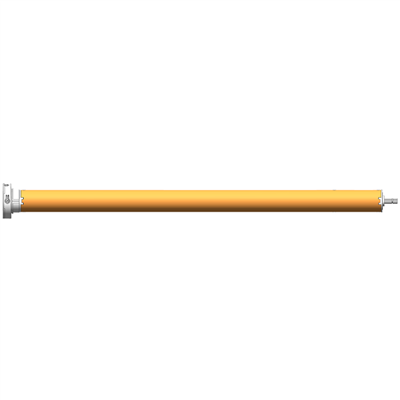
As a leading supplier of motors for roller blinds, I've witnessed firsthand the transformative power of these motors in enhancing the functionality and convenience of roller blinds. In this blog, I'll walk you through the installation process of motors on roller blinds, sharing insights and tips gained from years of experience in the industry.
Understanding the Types of Motors
Before diving into the installation process, it's essential to understand the different types of motors available for roller blinds. At our company, we offer a range of high - quality motors, including the 25mm Electronic Radio Tubular Motor, the 25mm Smart Electronic Radio Tubular Motor, and the 25mm Battery Electronic Radio Tubular Motor.
The 25mm Electronic Radio Tubular Motor is a reliable option that allows you to control your roller blinds remotely using a radio frequency. It offers smooth and quiet operation, making it suitable for both residential and commercial applications.
The 25mm Smart Electronic Radio Tubular Motor takes convenience to the next level. It can be integrated with smart home systems, enabling you to control your blinds via your smartphone, voice commands, or other smart devices. This motor is ideal for those who want to create a fully automated and connected home environment.
The 25mm Battery Electronic Radio Tubular Motor is a great choice for areas where wiring is not feasible or desirable. It runs on batteries, eliminating the need for a power outlet. This makes it easy to install in any location, including windows in hard - to - reach places.
Tools and Materials Needed
Before you start the installation process, gather the following tools and materials:


- Screwdriver set (both flat - head and Phillips - head)
- Measuring tape
- Level
- Drill and appropriate drill bits
- Safety goggles
- Motor for roller blinds
- Mounting brackets
- Remote control (if applicable)
- Power supply (if required)
Step - by - Step Installation Process
Step 1: Measure and Prepare
- Measure the width of the window or the area where the roller blind will be installed. This measurement will help you determine the correct size of the motor and the mounting brackets.
- Check the manufacturer's instructions for the motor to ensure that it is compatible with your roller blind. Some motors are designed for specific types or sizes of blinds.
- Clean the installation area to remove any dust, dirt, or debris. This will ensure a secure and stable mounting.
Step 2: Install the Mounting Brackets
- Position the mounting brackets on the window frame or the wall according to the manufacturer's instructions. Use a level to ensure that the brackets are straight and level.
- Mark the holes for the screws on the window frame or the wall using a pencil.
- Drill the holes using the appropriate drill bit. Make sure the holes are deep enough to accommodate the screws.
- Insert the screws into the holes and tighten them using a screwdriver. Ensure that the mounting brackets are firmly attached.
Step 3: Install the Motor
- Carefully insert the motor into the roller tube of the blind. Make sure the motor is properly aligned and centered within the tube.
- Attach the motor to the mounting brackets using the provided hardware. This may involve inserting screws or clips to secure the motor in place.
- Check that the motor is securely fastened and does not move or wobble.
Step 4: Connect the Power Supply
- If your motor requires a power supply, follow the manufacturer's instructions to connect it. This may involve wiring the motor to an electrical outlet or a battery pack.
- If you are connecting the motor to an electrical outlet, make sure to turn off the power at the circuit breaker before making any connections. Use appropriate electrical connectors and follow all safety precautions.
- If you are using a battery - powered motor, insert the batteries into the battery compartment according to the instructions.
Step 5: Test the Motor
- Once the motor is installed and the power supply is connected, test the motor to ensure that it is working properly.
- If your motor comes with a remote control, program the remote according to the manufacturer's instructions. Press the up and down buttons on the remote to operate the roller blind.
- Check the movement of the blind to make sure it is smooth and consistent. If there are any issues, such as the blind not moving or moving unevenly, refer to the troubleshooting section of the motor's manual.
Step 6: Final Adjustments
- After testing the motor, make any necessary final adjustments. This may include adjusting the limit switches to set the upper and lower limits of the blind's movement.
- Check the tension of the blind to ensure that it is properly balanced. If the blind is too loose or too tight, you may need to adjust the tension using the adjustment screws on the motor.
Troubleshooting Tips
- Motor not working: Check the power supply to ensure that it is properly connected. If the motor is battery - powered, check the batteries to make sure they are inserted correctly and have enough charge.
- Blind not moving smoothly: Check for any obstructions in the roller tube or the mounting brackets. Make sure the motor is properly aligned and that the blind is not caught on anything.
- Remote control not working: Check the batteries in the remote control. If the batteries are fine, reprogram the remote according to the manufacturer's instructions.
Conclusion
Installing a motor on a roller blind can significantly enhance the functionality and convenience of your window coverings. By following the steps outlined in this blog, you can install a motor on your roller blind safely and effectively.
If you're interested in purchasing a motor for your roller blind or have any questions about the installation process, we're here to help. Our team of experts is available to provide you with the support and guidance you need. Contact us today to start the conversation about your roller blind motor needs.
References
- Manufacturer's installation manuals for 25mm Electronic Radio Tubular Motor, 25mm Smart Electronic Radio Tubular Motor, and 25mm Battery Electronic Radio Tubular Motor.
- General knowledge and experience in the roller blind motor industry.