

What is the noise level of an automatic awning motor?
As a supplier of Automatic Awning Motors, I often get asked about the noise levels of these motors. It's a crucial factor for many customers, especially those who are looking to install awnings in quiet environments such as residential areas, libraries, or hospitals. In this blog, I'll delve into the details of what affects the noise level of an automatic awning motor, how to measure it, and what you can expect from our range of products.
Factors Affecting the Noise Level of an Automatic Awning Motor
The noise level of an automatic awning motor can be influenced by several factors. One of the primary factors is the motor's design and construction. Motors with high - quality components and precise engineering tend to operate more quietly. For example, motors with well - lubricated gears and smooth - running bearings produce less noise compared to those with poorly made or worn - out parts.
The power of the motor also plays a role. Generally, more powerful motors may generate more noise, as they have to work harder to move the awning. However, this is not always the case, as advanced motor designs can manage power more efficiently and reduce noise.
The type of awning the motor is attached to can affect the noise level. A heavy or large awning requires more force from the motor to open and close, which might result in increased noise. Additionally, if the awning is not properly installed or maintained, it can cause vibrations that contribute to the overall noise.
Measuring the Noise Level of an Automatic Awning Motor
The noise level of a motor is typically measured in decibels (dB). A decibel is a unit used to express the ratio of a sound's intensity relative to a reference level. In the context of automatic awning motors, the noise level is usually measured when the motor is in operation, opening or closing the awning.
To measure the noise level accurately, a sound level meter is used. The meter is placed at a specific distance from the motor, usually around 1 meter, to get a standardized reading. The readings can vary depending on the environment, as background noise can interfere with the measurement. Therefore, it's important to measure the noise in a quiet environment to get an accurate representation of the motor's noise level.
Noise Levels of Our Automatic Awning Motors
At our company, we understand the importance of providing quiet - operating motors. We offer a range of automatic awning motors, each with different noise levels to suit various customer needs.

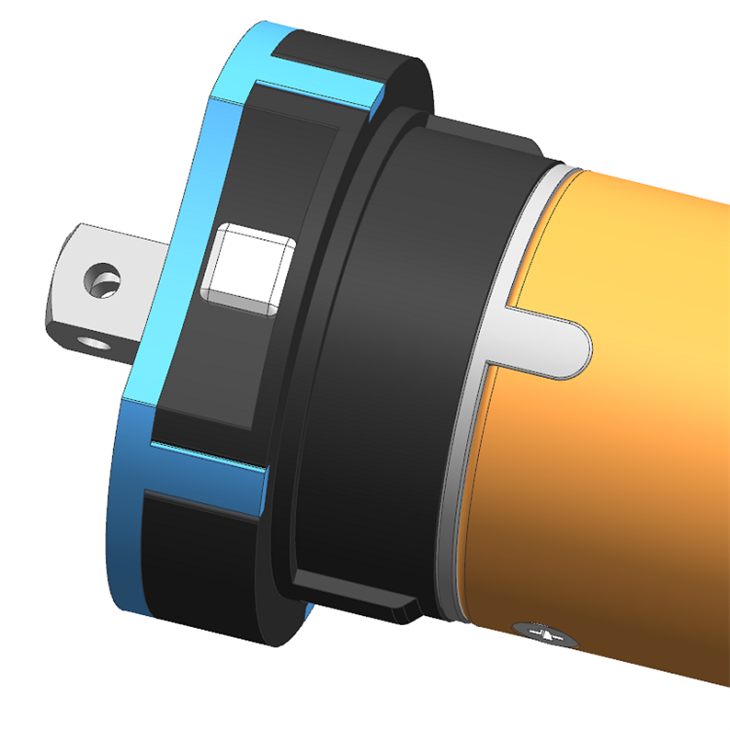
Our 45mm Standard Tubular Motor is designed for general use. It operates at a relatively low noise level, typically around 40 - 50 dB. This makes it suitable for most residential and commercial applications where a moderate level of noise is acceptable.
The 45mm Manual Tubular Motor is another option. While it can be operated manually, it also has an electric motor for convenience. The noise level of this motor is similar to the standard tubular motor, ensuring a quiet operation when using the electric function.
For customers who require even quieter operation, our 45mm Electronic Radio Tubular Motor is an excellent choice. This motor uses advanced electronic technology to reduce noise levels to as low as 35 - 40 dB. It's ideal for settings where noise needs to be minimized, such as in bedrooms or study areas.
Benefits of a Quiet Automatic Awning Motor
There are several benefits to choosing a quiet automatic awning motor. Firstly, it enhances the overall comfort of the space. In a residential setting, a quiet motor won't disrupt your daily activities or your sleep. You can enjoy the shade provided by the awning without being bothered by loud motor noises.
In a commercial setting, a quiet motor can contribute to a more pleasant environment for customers and employees. For example, in a restaurant or café with outdoor seating, a quiet awning motor won't interfere with the conversation or the dining experience.
Moreover, a quiet motor is often a sign of high - quality construction. Motors that operate quietly are usually well - engineered and have better - made components, which means they are likely to be more reliable and have a longer lifespan.
Tips for Reducing the Noise Level of an Automatic Awning Motor
If you already have an automatic awning motor and want to reduce its noise level, there are several things you can do. First, make sure the awning is properly installed. A misaligned or loose awning can cause vibrations that increase noise. Check the mounting brackets and ensure they are secure.
Regular maintenance is also essential. Lubricate the moving parts of the motor and the awning according to the manufacturer's instructions. This can reduce friction and wear, which in turn can lower the noise level.
If possible, install a sound - dampening material around the motor. This can absorb some of the sound waves and reduce the overall noise that reaches your ears.
Contact Us for Your Automatic Awning Motor Needs
If you're in the market for an automatic awning motor and are concerned about noise levels, we're here to help. Our team of experts can assist you in choosing the right motor for your specific requirements. Whether you need a motor for a small residential awning or a large commercial installation, we have a solution for you.
We pride ourselves on providing high - quality, quiet - operating automatic awning motors at competitive prices. Contact us today to start a discussion about your project and find the perfect motor for your awning. We look forward to working with you to create a comfortable and quiet outdoor space.
References
- "Motor Noise and Vibration: Causes, Effects, and Solutions" - Electrical Engineering Journal
- "Sound Measurement and Standards for Small Electric Motors" - International Journal of Acoustics and Vibration
- Manufacturer's manuals for our 45mm Standard Tubular Motor, 45mm Manual Tubular Motor, and 45mm Electronic Radio Tubular Motor.


