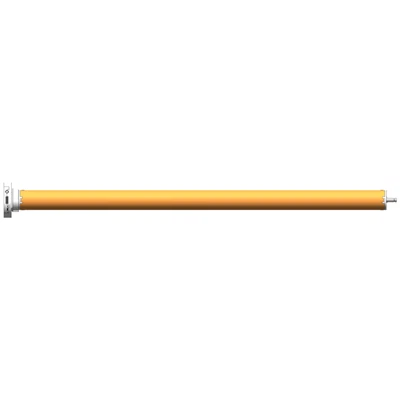
Torque is a crucial factor when it comes to motors for roller blinds. As a supplier of Motors for Roller Blinds, I've had my fair share of customers asking about what the torque of a typical motor for roller blinds is. So, let's dive right in and break this down.
What is Torque?
First off, let's get a basic understanding of what torque is. Torque is essentially a measure of the force that can cause an object to rotate around an axis. In the context of a motor for roller blinds, torque is what allows the motor to lift and lower the blinds. It's like the muscle of the motor. The higher the torque, the more force the motor can apply to move the blinds, especially if they are heavy or large.
Factors Affecting the Torque Requirement
A bunch of things can affect how much torque a motor for roller blinds needs. One of the main factors is the size of the blinds. Larger blinds usually need more torque because there's more material to move. Think about it like trying to lift a small blanket versus a big, heavy comforter. The comforter needs more muscle, or in this case, more torque.
The weight of the blinds is also super important. If the blinds are made of thick, heavy materials like some blackout fabrics, they'll need a motor with higher torque to operate smoothly. On top of that, the type of installation matters. For example, if the blinds are installed in a way that creates more friction, like a tight - fitting track, the motor will need to work harder and thus require more torque.
Typical Torque Values for Roller Blind Motors
Now, let's talk about what the typical torque values are for motors used in roller blinds. For small to medium - sized roller blinds, say those with a width of up to about 1.5 meters and made of lightweight materials like sheer fabrics, a motor with a torque of around 2 - 5 Nm (Newton - meters) might be sufficient. These motors are usually pretty compact and can easily handle the task of moving these types of blinds.
If you've got larger blinds, say with a width between 1.5 and 3 meters and made of medium - weight materials like some standard polyester blends, you're probably going to need a motor with a torque in the range of 5 - 10 Nm. These motors are a bit beefier and can provide the extra oomph needed to move the larger and heavier blinds.
For really large or heavy roller blinds, like those made of thick blackout materials and with a width of over 3 meters, you'll likely need a motor with a torque of 10 Nm or more. These high - torque motors are designed to handle the toughest jobs and ensure that the blinds can be raised and lowered without any issues.
Our Product Range and Torque
As a supplier of Motors for Roller Blinds, we offer a wide range of motors with different torque values to meet the diverse needs of our customers. For instance, our 25mm Battery Electronic Radio Tubular Motor is a great option for smaller blinds. It has a relatively lower torque but is perfect for those lightweight, small - sized blinds. It's also battery - operated, which means you don't have to worry about wiring, making it super convenient for DIY installations.
Our 25mm Electronic Radio Tubular Motor is a step up in terms of performance. It has a higher torque and can handle medium - sized blinds with ease. It comes with a radio control, so you can operate your blinds from a distance, adding a touch of convenience to your home.
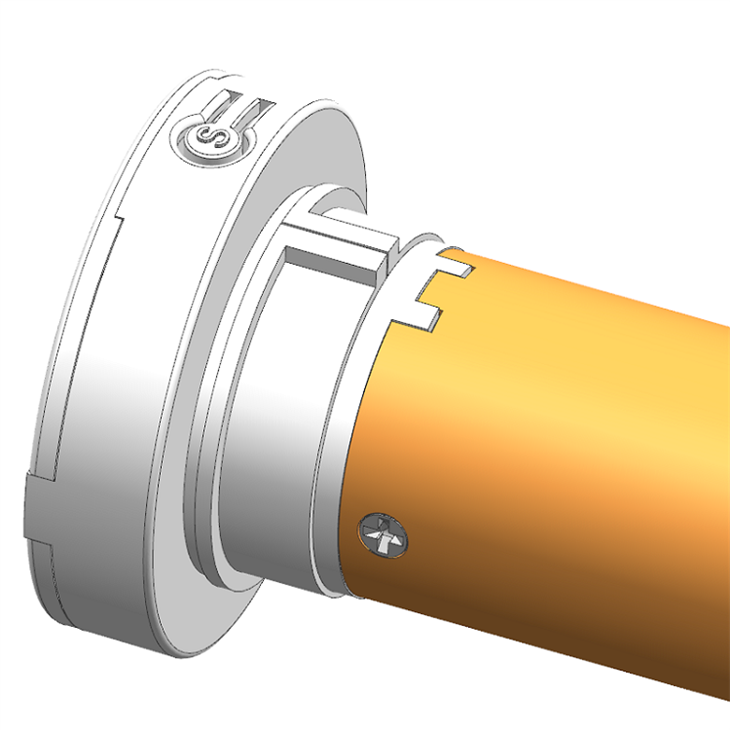
And then there's our 25mm Smart Electronic Radio Tubular Motor. This one is a high - end option with a good amount of torque to handle larger and heavier blinds. What makes it really special is its smart features. You can connect it to your home automation system and control your blinds using your smartphone or voice commands.

How to Choose the Right Torque Motor
Picking the right torque motor for your roller blinds can seem a bit tricky, but it doesn't have to be. First, measure the width and weight of your blinds. This will give you a good starting point to determine the torque you need. If you're still not sure, don't hesitate to reach out to us. We've got a team of experts who can help you figure out the best motor for your specific situation.
It's also a good idea to think about any future changes. Maybe you're planning to replace your blinds with heavier ones in a few years. In that case, it might be worth going for a motor with a bit more torque than you currently need to avoid having to replace the motor later.
The Importance of Quality Torque Motors
Using a motor with the right torque is not just about getting the blinds to move. It's also about the longevity and reliability of the system. If you use a motor with too little torque, it'll have to work extra hard, which can lead to premature wear and tear. This means more frequent breakdowns and replacements, which can be a hassle and cost you more in the long run.
On the other hand, a motor with the right amount of torque will operate smoothly, use less energy, and last longer. It'll also provide a better user experience, as the blinds will open and close quietly and efficiently.
Conclusion
In a nutshell, the torque of a typical motor for roller blinds can vary depending on the size, weight, and installation of the blinds. For small to medium - sized, lightweight blinds, a lower - torque motor might do the trick, while larger, heavier blinds need motors with higher torque. At our company, we've got a great selection of motors with different torque values to suit all your roller blind needs.
If you're in the market for a motor for your roller blinds, whether it's for a new installation or a replacement, we'd love to help you find the perfect one. Just get in touch with us, and we can start a conversation about your requirements. Let's work together to make your roller blinds operate at their best!
References
- Physics textbooks on rotational motion and torque.
- Industry standards and guidelines for roller blind motor manufacturers.