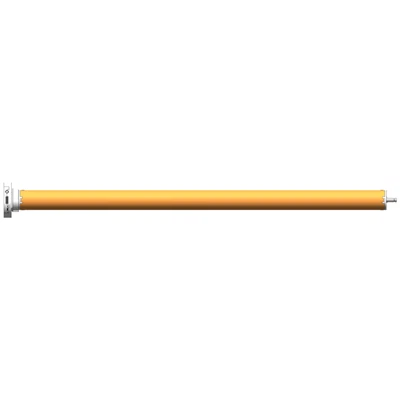
Hey there! As a curtain motor supplier, I've been getting a bunch of questions lately about what materials curtain motors are usually made of. So, I thought I'd break it down for you in this blog post.
Let's start with the motor itself. The most common type of motor used in curtain motors is the DC (direct current) motor. These motors are made of several key components, and the materials matter a lot for their performance and durability.
Motor Core Materials
- Stator Laminations: The stator is a stationary part of the motor. It's usually made of silicon steel laminations. Silicon steel is great because it has low electrical resistance and high magnetic permeability. This helps to minimize energy losses in the form of heat and makes the motor more efficient. When the motor is running, the magnetic field generated in the stator interacts with the rotor to produce motion. The thin laminations are stacked together to reduce eddy current losses. Eddy currents are unwanted electrical currents that can be induced in the stator, and by using laminations, we can keep these losses to a minimum.
- Rotor: The rotor is the rotating part of the motor. It's often made of a combination of materials. The core of the rotor is typically also made of silicon steel laminations, similar to the stator. On top of the core, there are coils of copper wire. Copper is an excellent conductor of electricity, which allows for efficient transfer of electrical energy to mechanical energy. When an electric current passes through these copper coils in the rotor, it creates a magnetic field that interacts with the stator's magnetic field, causing the rotor to spin.
Housing Materials
- Plastic: Many curtain motors have a plastic housing. Plastic is a popular choice because it's lightweight, inexpensive, and easy to mold into different shapes. It can also provide some insulation and protection for the internal components of the motor. For example, polycarbonate is a type of plastic that's often used. It has good impact resistance, which means it can withstand some bumps and knocks without breaking. This is important because the curtain motor might be installed in various environments where it could be accidentally hit. However, plastic may not be as durable as some other materials in the long run, especially in harsh conditions.
- Aluminum: Aluminum is another common material for the housing of curtain motors. It's lightweight, yet strong and corrosion - resistant. Aluminum housings can dissipate heat better than plastic ones. Since the motor generates heat during operation, efficient heat dissipation is crucial to prevent overheating, which could damage the motor's internal components. Aluminum also has a nice aesthetic appeal and can give the curtain motor a more high - end look.
Gearbox Materials
- Brass: The gearbox in a curtain motor is responsible for reducing the speed of the motor and increasing the torque. Brass is often used for the gears in the gearbox. It has good wear resistance, which means the gears can withstand the constant friction and movement without wearing out too quickly. Brass is also relatively easy to machine, allowing for precise gear manufacturing. This precision is important for smooth and accurate operation of the curtain motor.
- Plastic Gears: In some curtain motors, especially those designed for lighter - duty applications, plastic gears are used. Plastic gears are quieter than metal gears and can be more cost - effective. They also have some self - lubricating properties, which can reduce the need for additional lubrication. However, plastic gears may not be as strong as brass gears, so they are usually used in applications where the load on the curtain is not too heavy.
Drive Belt Materials
- Rubber: Many curtain motors use rubber drive belts to transfer the motion from the motor to the curtain. Rubber belts are flexible and can provide a smooth and quiet operation. They have good grip, which ensures that the curtain moves smoothly along the track. Natural rubber or synthetic rubbers like neoprene are commonly used. These rubbers can withstand some stretching and bending without breaking, and they can also resist wear and tear over time.
Now that you know about the materials used in curtain motors, let me tell you about some of the great products we offer. Check out our Super Quiet Smart WiFi Curtain Motor. This motor is designed with high - quality materials to ensure super quiet operation. You'll hardly even notice it's working! Also, our Flexible Silent Opening and Closing Curtain Motor is a top - notch choice. With its flexible design and silent operation, it can provide a seamless curtain - opening and closing experience.
If you're in the market for curtain motors, whether you're a homeowner looking to upgrade your curtains or a business owner for a commercial project, I'd love to talk to you. Feel free to get in touch for more info about our products and to discuss your specific needs. We can offer a variety of materials and features to meet different requirements. Seriously, don't hesitate to reach out and let's start a conversation.


References
- "Motor Technology Handbook" - A comprehensive guide on different types of motors and their components.
- "Materials in Engineering Design" - Discusses the properties and applications of various engineering materials.