When it comes to choosing the right size of tubular motor for your garage door, several factors need to be carefully considered. As a trusted supplier of tubular motors for garage doors, I understand the importance of making an informed decision to ensure optimal performance, reliability, and safety for your garage door system. In this blog post, I'll guide you through the key considerations and help you determine the appropriate tubular motor size for your specific garage door.
Understanding Tubular Motors for Garage Doors
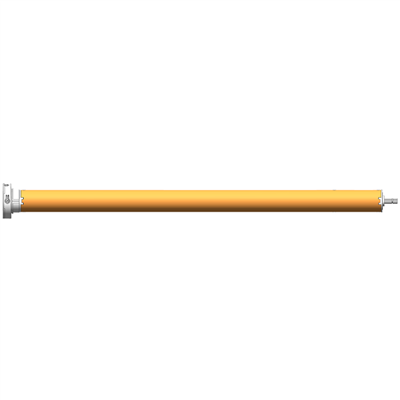
Tubular motors are a popular choice for garage doors due to their compact design, quiet operation, and high efficiency. They are typically installed inside the roller shaft of the garage door, providing a seamless and integrated solution. These motors come in various sizes and power ratings, each designed to handle different types and sizes of garage doors.
Factors Affecting Tubular Motor Size Selection
1. Door Size and Weight
The size and weight of your garage door are the most critical factors in determining the appropriate tubular motor size. Larger and heavier doors require more powerful motors to operate smoothly and efficiently. Here's a general guideline to help you estimate the motor size based on door dimensions:
- Small Garage Doors: For single-car garage doors with a width of up to 8 feet and a height of up to 7 feet, a motor with a torque rating of around 30 - 40 Nm (Newton-meters) may be sufficient.
- Medium Garage Doors: Double-car garage doors with a width of 9 - 16 feet and a height of 7 - 8 feet typically require a motor with a torque rating of 40 - 60 Nm.
- Large Garage Doors: Extra-wide or high garage doors, such as those used in commercial or industrial settings, may need a motor with a torque rating of 60 Nm or more.
It's important to note that these are just rough estimates, and the actual motor size may vary depending on other factors such as door material, insulation, and the presence of additional features like windows or panels.
2. Door Material
The material of your garage door also plays a significant role in motor size selection. Different materials have different weights and characteristics, which can affect the motor's performance. Here are some common garage door materials and their impact on motor requirements:
- Steel Doors: Steel doors are relatively lightweight and durable, making them a popular choice for residential garages. They typically require less powerful motors compared to heavier materials.
- Wooden Doors: Wooden doors are heavier than steel doors and may require a more powerful motor to operate smoothly. Additionally, wooden doors may be more prone to warping or swelling over time, which can increase the load on the motor.
- Aluminum Doors: Aluminum doors are lightweight and corrosion-resistant, making them suitable for both residential and commercial applications. They generally require less powerful motors than steel or wooden doors.
- Fiberglass Doors: Fiberglass doors are lightweight and offer excellent insulation properties. They typically require a motor with a similar power rating to steel doors.
3. Operating Frequency
The frequency at which you use your garage door can also influence the motor size selection. If you use your garage door frequently throughout the day, such as multiple times a day for commuting or running errands, you may need a more powerful motor that can handle the increased workload. On the other hand, if you only use your garage door occasionally, a smaller motor may be sufficient.
4. Additional Features
Garage doors may come with various additional features, such as remote control operation, safety sensors, and automatic locking mechanisms. These features can add to the overall load on the motor and may require a more powerful motor to ensure reliable operation. For example, if you want to install a remote control system for your garage door, you'll need a motor that is compatible with the remote control technology and can handle the additional electrical load.
Types of Tubular Motors
As a supplier, we offer a range of tubular motors to meet different customer needs. Here are some of the common types of tubular motors available:
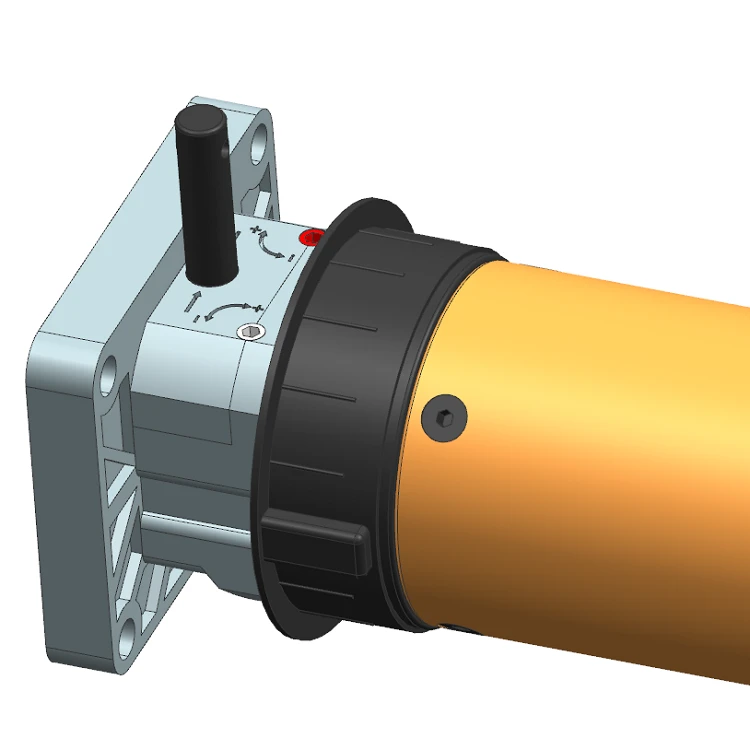
- 92mm Manual Override Tubular Motor: This type of motor features a manual override function, allowing you to open and close the garage door manually in case of a power outage or motor failure. It's a popular choice for homeowners who want an extra layer of security and convenience.
- 92mm Standard Tubular Motor: The standard tubular motor is designed for regular garage door operation. It offers reliable performance and is suitable for most residential and commercial applications.
- 92mm Manual Tubular Motor: This motor is operated manually and does not require electricity. It's a simple and cost-effective option for garages where power supply is limited or not available.
How to Determine the Right Motor Size
To determine the exact tubular motor size for your garage door, it's recommended to consult with a professional garage door installer or our technical support team. They can assess your garage door's specific requirements and recommend the most suitable motor based on factors such as door size, weight, material, and operating frequency.
Here's a step-by-step process to help you get started:

- Measure Your Garage Door: Use a tape measure to determine the width and height of your garage door. Also, note the door material and any additional features it may have.
- Calculate the Door Weight: If possible, find out the weight of your garage door. You can refer to the manufacturer's specifications or consult with a garage door supplier.
- Consider Your Operating Frequency: Think about how often you use your garage door and whether you need any additional features like remote control operation or safety sensors.
- Contact Us: Reach out to our sales team or technical support staff with the information you've gathered. We'll be happy to assist you in selecting the right tubular motor size for your garage door.
Benefits of Choosing the Right Motor Size
Selecting the appropriate tubular motor size for your garage door offers several benefits:
- Smooth and Efficient Operation: A properly sized motor ensures that your garage door opens and closes smoothly, without any jerks or hesitation. This not only improves the user experience but also reduces wear and tear on the door and motor components.
- Longer Lifespan: Using a motor that is correctly sized for your garage door helps to prevent overloading and premature failure. This can extend the lifespan of the motor and other components, saving you money on repairs and replacements in the long run.
- Enhanced Safety: A powerful enough motor can operate the garage door safely, even under heavy loads. It also ensures that safety features such as sensors and automatic locking mechanisms work effectively, providing peace of mind for you and your family.
- Energy Efficiency: A well-matched motor consumes less energy compared to an oversized or undersized motor. This can result in lower electricity bills and a more environmentally friendly garage door system.
Conclusion
Choosing the right size of tubular motor for your garage door is crucial for ensuring optimal performance, reliability, and safety. By considering factors such as door size, weight, material, operating frequency, and additional features, you can make an informed decision and select the most suitable motor for your needs. As a leading supplier of tubular motors for garage doors, we are committed to providing high-quality products and professional support to help you find the perfect solution for your garage door. If you have any questions or need assistance in choosing the right motor size, please don't hesitate to contact us. We look forward to working with you and helping you enhance the functionality and convenience of your garage door.
References
- Garage Door Manufacturers Association (GDMA)
- International Door Association (IDA)