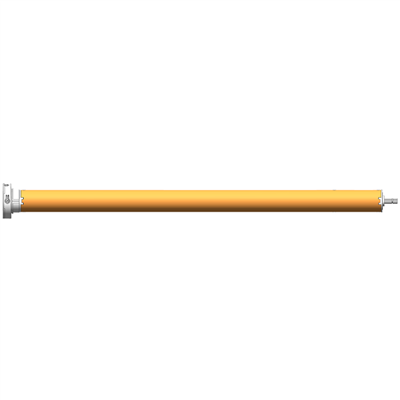
As a supplier of Automatic Roller Shutter Tubular Motors, I often encounter questions from customers regarding various aspects of our products. One question that comes up quite frequently is, "Are there any electromagnetic interference (EMI) issues with automatic roller shutter tubular motors?" In this blog post, I'll delve into this topic in detail, providing a scientific and reasonable analysis based on my experience in the industry.
Understanding Electromagnetic Interference
Electromagnetic interference refers to the disturbance that affects an electrical circuit due to either electromagnetic induction or electromagnetic radiation emitted from an external source. EMI can disrupt the normal operation of electronic devices, leading to malfunctions, reduced performance, or even complete failure. It can come from a variety of sources, including power lines, radio frequency (RF) transmitters, and other electrical equipment.
How Automatic Roller Shutter Tubular Motors Work
Before discussing EMI issues, it's essential to understand how automatic roller shutter tubular motors function. These motors are designed to control the opening and closing of roller shutters. They typically consist of an electric motor, a gearbox, and a control system. The motor converts electrical energy into mechanical energy, which is then transmitted through the gearbox to drive the roller shutter up or down. The control system allows users to operate the motor remotely using a radio signal or a wired connection.
Potential Sources of Electromagnetic Interference in Tubular Motors
There are several potential sources of EMI in automatic roller shutter tubular motors:
- Motor Operation: The operation of the electric motor itself can generate electromagnetic fields. When the motor is powered on, current flows through the windings, creating a magnetic field. As the motor rotates, this magnetic field changes, which can induce electrical currents in nearby conductors. These induced currents can cause interference with other electronic devices.
- Control System: The control system of the tubular motor, especially if it uses radio signals for remote operation, can also be a source of EMI. Radio frequency signals are emitted by the control transmitter, and if not properly shielded, these signals can interfere with other wireless devices operating in the same frequency range.
- Power Supply: The power supply to the tubular motor can introduce EMI. Fluctuations in the power supply voltage or current can generate electromagnetic noise, which can be transmitted through the power lines and affect other electrical equipment connected to the same circuit.
Mitigating Electromagnetic Interference in Tubular Motors
At our company, we take several measures to minimize EMI issues in our automatic roller shutter tubular motors:


- Shielding: We use high-quality shielding materials to enclose the motor and the control system. Shielding helps to contain the electromagnetic fields generated by the motor and the control system, preventing them from radiating out and interfering with other devices.
- Filtering: We incorporate EMI filters into the power supply and control circuits of our tubular motors. These filters are designed to suppress electromagnetic noise and prevent it from entering or leaving the motor.
- Frequency Management: For motors with radio control systems, we carefully select the operating frequency and ensure that it complies with relevant regulatory standards. This helps to minimize the risk of interference with other wireless devices.
Testing for Electromagnetic Interference
To ensure the reliability and performance of our tubular motors, we conduct comprehensive EMI testing. We use specialized equipment to measure the electromagnetic emissions of the motors and compare them against industry standards. Only motors that meet or exceed these standards are approved for sale.
Real-World Applications and EMI Considerations
In real-world applications, the potential for EMI issues with automatic roller shutter tubular motors depends on several factors, including the installation environment, the proximity of other electronic devices, and the quality of the electrical installation.
- Residential Applications: In residential settings, the risk of EMI interference is generally low. However, if the tubular motor is installed near sensitive electronic devices such as televisions, Wi-Fi routers, or baby monitors, there is a possibility of interference. In such cases, proper shielding and positioning of the motor can help to minimize the risk.
- Commercial and Industrial Applications: In commercial and industrial environments, there may be a higher density of electronic equipment, increasing the potential for EMI issues. For example, in a factory or an office building, the tubular motor may be installed near other machinery, communication systems, or control panels. In these situations, it is crucial to ensure that the motor is properly installed and that all necessary EMI mitigation measures are in place.
Our Product Range and EMI Performance
We offer a wide range of automatic roller shutter tubular motors, including the 35mm Electronic Radio Tubular Motor, the 35mm Battery Electronic Radio Tubular Motor, and the 35mm Radio Tubular Motor. All of our motors are designed with EMI mitigation in mind and have been tested to meet strict quality and performance standards.
Conclusion
While there is a potential for electromagnetic interference issues in automatic roller shutter tubular motors, proper design, shielding, and testing can effectively minimize these risks. At our company, we are committed to providing high-quality tubular motors that are reliable, efficient, and free from significant EMI problems.
If you are interested in purchasing automatic roller shutter tubular motors or have any questions about EMI or our products, please feel free to contact us for a detailed discussion. We look forward to assisting you with your roller shutter motor needs.
References
- Electromagnetic Compatibility (EMC) Standards for Electrical Equipment
- IEEE Standards on Electromagnetic Compatibility
- Manufacturer's Technical Documentation for Automatic Roller Shutter Tubular Motors