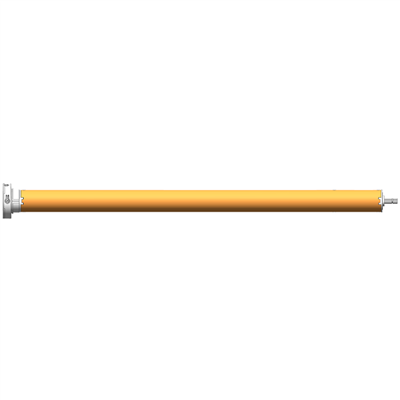
Hey there! As a supplier of Rolling Shutter Tubular Motors, I've gotten tons of questions about how to adjust the speed of these motors. It's a pretty common concern, especially for those who want to customize the operation of their rolling shutters according to their specific needs. So, I thought I'd share some insights on this topic.
Why Adjust the Speed?
First off, you might be wondering why you'd even want to adjust the speed of a rolling shutter tubular motor. Well, there are a few good reasons. For one, different applications may require different speeds. If you're using the rolling shutter in a commercial setting where security is a top priority, you might want a faster speed to quickly close the shutter in case of an emergency. On the other hand, if it's for a residential use, a slower speed might be more desirable to avoid making too much noise or causing any sudden movements that could startle people.
Another reason is related to the wear and tear of the motor and the shutter itself. Running the motor at an inappropriate speed for an extended period can put unnecessary stress on the components, leading to premature failure. By adjusting the speed, you can optimize the performance and longevity of your rolling shutter system.
Understanding the Basics of Rolling Shutter Tubular Motors
Before we dive into the speed adjustment process, let's quickly go over how these motors work. A rolling shutter tubular motor is typically installed inside the tube of a rolling shutter. It uses an electric motor to drive a gearbox, which in turn rotates the tube and raises or lowers the shutter. The speed of the motor is usually determined by its design and the settings of the control system.
Most modern rolling shutter tubular motors come with some form of speed adjustment feature. This can be either a manual adjustment or an electronic adjustment, depending on the model. Some motors also offer multiple speed settings, allowing you to choose the most suitable speed for different situations.
Manual Speed Adjustment
If you have a motor that supports manual speed adjustment, the process is usually pretty straightforward. Here's a general guide on how to do it:
- Locate the Adjustment Screws: First, you need to find the adjustment screws on the motor. These are usually located on the side or the end of the motor housing. You may need to remove a cover or access panel to get to them.
- Understand the Adjustment Mechanism: Different motors may have different adjustment mechanisms. Some use a simple screw that you can turn clockwise or counterclockwise to increase or decrease the speed. Others may have a more complex system with multiple screws or knobs that need to be adjusted in a specific sequence. Refer to the motor's user manual for detailed instructions on how to make the adjustments.
- Make Small Adjustments: When making the adjustments, it's important to make small changes at a time. This way, you can accurately gauge the effect of each adjustment on the speed of the shutter. After each adjustment, test the motor by operating the shutter up and down a few times to see if the speed has changed as desired.
- Fine-Tune the Speed: Keep making small adjustments and testing until you achieve the desired speed. It may take a few tries to get it just right, so be patient.
Electronic Speed Adjustment
For motors with electronic speed adjustment, the process is a bit different. Here's what you need to do:
- Access the Control Panel: Most electronic motors come with a control panel that allows you to adjust various settings, including the speed. Locate the control panel, which is usually installed near the motor or in a convenient location for easy access.
- Enter the Programming Mode: To make the speed adjustment, you need to enter the programming mode of the control panel. This is typically done by pressing a specific combination of buttons on the panel. Refer to the user manual for the exact procedure.
- Navigate to the Speed Setting: Once you're in the programming mode, use the arrow keys or other navigation buttons on the control panel to find the speed setting. It may be labeled as "Speed", "Motor Speed", or something similar.
- Adjust the Speed: Once you've located the speed setting, you can use the up and down arrow keys to increase or decrease the speed. The control panel may display the current speed setting in RPM (revolutions per minute) or another unit of measurement. Make the necessary adjustments until you reach the desired speed.
- Save the Settings: After you've made the adjustments, make sure to save the settings by pressing the "Save" or "Enter" button on the control panel. This will ensure that the new speed setting is retained even after the motor is turned off.
Considerations and Precautions
When adjusting the speed of a rolling shutter tubular motor, there are a few things you need to keep in mind:
- Safety First: Always make sure to turn off the power to the motor before making any adjustments. This will prevent any accidental electrical shocks or injuries.
- Follow the Manufacturer's Instructions: Different motors may have different speed adjustment procedures and limitations. Make sure to read and follow the manufacturer's instructions carefully to avoid damaging the motor or voiding the warranty.
- Test the Motor Regularly: After making the speed adjustment, it's a good idea to test the motor regularly to ensure that it's operating smoothly and at the desired speed. If you notice any unusual noises, vibrations, or other problems, stop using the motor immediately and contact a professional for assistance.
Our Product Range
At our company, we offer a wide range of rolling shutter tubular motors to meet different needs and applications. Some of our popular products include the 45mm Radio Tubular Motor, the 45mm Standard Tubular Motor, and the 45mm Manual Radio Tubular Motor. These motors are designed with high-quality components and advanced technology to provide reliable performance and easy speed adjustment.


Contact Us for Purchase and Consultation
If you're interested in purchasing a rolling shutter tubular motor or need more information about speed adjustment or any other aspect of our products, don't hesitate to get in touch with us. We have a team of experts who can provide you with professional advice and guidance to help you choose the right motor for your needs. Whether you're a homeowner, a business owner, or a contractor, we're here to assist you every step of the way.
References
- Manufacturer's user manuals for rolling shutter tubular motors.
- Industry standards and guidelines for motor operation and maintenance.