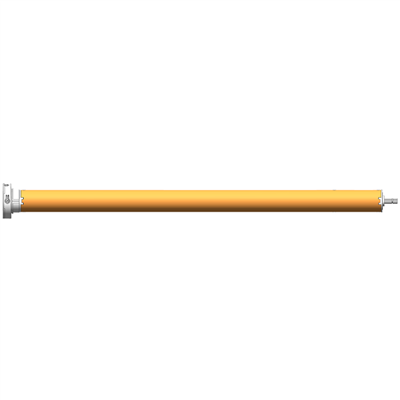
As a supplier of DC tubular motors, I often encounter inquiries from various industries regarding the suitability of our products for their specific needs. One question that has recently come up more frequently is whether DC tubular motors can be used in hospitals. In this blog post, I will explore the potential applications of DC tubular motors in hospital settings, considering factors such as functionality, safety, and compliance with hospital standards.
Functionality in Hospital Environments
DC tubular motors offer several features that make them well - suited for hospital applications. Firstly, their compact design allows for easy installation in various types of window coverings, such as blinds and curtains. In hospitals, window coverings are essential for controlling light, privacy, and temperature in patient rooms, waiting areas, and operating theaters. Our 25mm Electronic Radio Tubular Motor is a prime example of a motor that can be discreetly integrated into window treatments without taking up much space.
The ability to control the motors remotely is another significant advantage. In a hospital, staff may need to adjust window coverings frequently to meet the needs of patients. For instance, a patient may require more light for reading or less light for sleeping. With a remote - controlled DC tubular motor, nurses and other hospital staff can easily adjust the blinds or curtains from a distance, without having to enter the patient's room and potentially disrupt their rest. Our 25mm Smart Electronic Radio Tubular Motor offers advanced smart control options, which can be integrated with a hospital's existing smart building management system.
In addition, DC tubular motors can be programmed to operate at specific times. This feature is useful for creating a consistent environment in the hospital. For example, window coverings can be set to open in the morning to let in natural light and close in the evening for privacy. This automated operation can also help reduce energy consumption by optimizing the use of natural light and minimizing the need for artificial lighting.
Safety Considerations
Safety is of utmost importance in a hospital environment. DC tubular motors are designed with multiple safety features to ensure the well - being of patients and staff. Most of our motors are equipped with overload protection, which prevents the motor from overheating or burning out if it encounters an obstruction. This is crucial in a hospital setting, where any malfunction could potentially cause harm to patients or disrupt the normal operation of the facility.
The motors also have a soft - start and soft - stop function. This means that the blinds or curtains start and stop smoothly, reducing the risk of sudden movements that could startle patients or cause damage to the window coverings. Moreover, the low - voltage operation of DC tubular motors makes them safer compared to high - voltage alternatives. In a hospital, where there are many electrical devices and potential hazards, the use of low - voltage motors can help minimize the risk of electrical accidents.
Compliance with Hospital Standards
Hospitals have strict standards and regulations regarding the use of equipment to ensure the health and safety of patients. Our DC tubular motors are designed to meet these standards. They are made from high - quality, non - toxic materials that are easy to clean and disinfect. This is essential in a hospital, where preventing the spread of infections is a top priority.
The motors also operate quietly, which is important in a hospital environment. Excessive noise can be a source of stress for patients, especially those who are recovering from surgery or dealing with a serious illness. Our 25mm Battery Electronic Radio Tubular Motor is engineered to operate with minimal noise, ensuring a peaceful and comfortable environment for patients.
Case Studies
There are already several hospitals that have successfully implemented DC tubular motors in their facilities. For example, a large urban hospital installed our DC tubular motors in all patient rooms. The remote - control feature allowed nurses to adjust the window coverings easily, improving patient comfort. The automated operation also helped the hospital save on energy costs by reducing the use of artificial lighting.
Another hospital used our motors in its operating theaters. The soft - start and soft - stop function ensured that the blinds did not cause any sudden movements that could interfere with the surgical procedures. The quiet operation of the motors also contributed to a more focused and stress - free environment for the surgical team.
Challenges and Solutions
While DC tubular motors offer many benefits for hospital applications, there are also some challenges that need to be addressed. One challenge is the initial cost of installation. However, when considering the long - term savings in energy costs, improved patient comfort, and reduced maintenance, the investment in DC tubular motors can be justified.

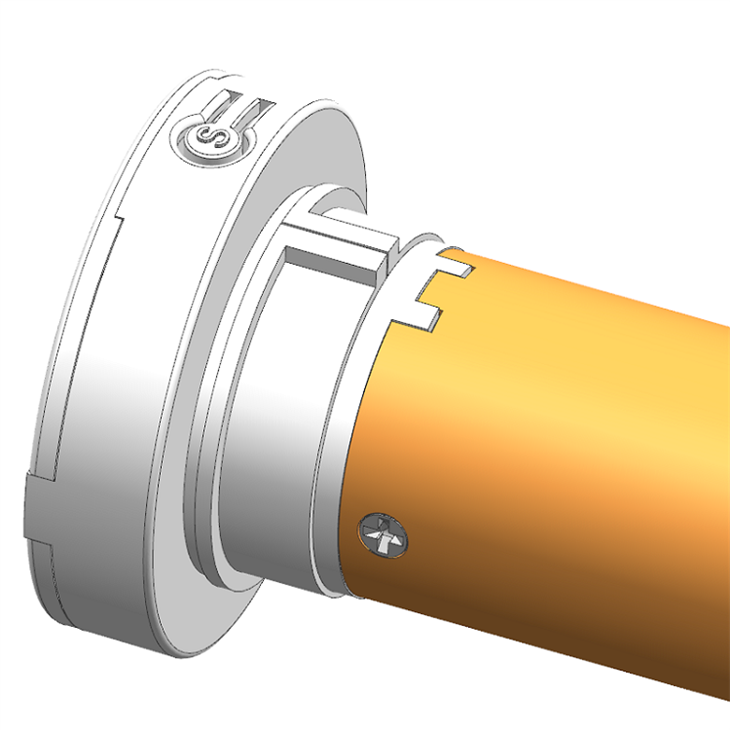
Another challenge is the need for proper maintenance. To ensure the reliable operation of the motors, regular maintenance is required. We provide comprehensive maintenance guidelines and support to our customers, including training for hospital staff on how to perform basic maintenance tasks.
Conclusion
In conclusion, DC tubular motors can be effectively used in hospitals. Their functionality, safety features, and compliance with hospital standards make them a suitable choice for window coverings in various hospital areas. From patient rooms to operating theaters, these motors can enhance the comfort of patients, improve the efficiency of hospital staff, and contribute to a more sustainable and safe hospital environment.
If you are a hospital administrator, facilities manager, or anyone involved in the procurement of equipment for a hospital, I encourage you to consider our DC tubular motors for your window covering needs. We are committed to providing high - quality products and excellent customer service. Contact us to discuss your specific requirements and explore how our motors can be integrated into your hospital's design.
References
- Hospital Equipment Standards and Regulations Handbook
- Case studies from hospitals implementing DC tubular motors
- Technical specifications of DC tubular motors