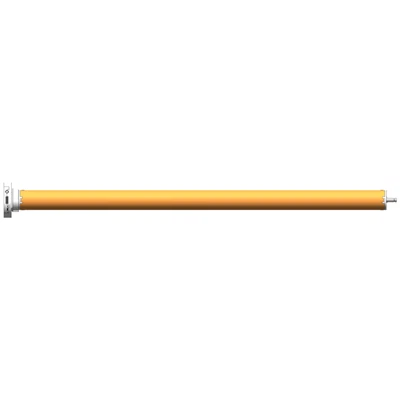
Hey there! As a supplier of Automatic Roller Shutter Tubular Motors, I often get asked about how often these motors can be used. It's a super important question, especially for those who rely on these motors for their daily operations. So, let's dive right in and explore the frequency of use that automatic roller shutter tubular motors can withstand.
Understanding the Basics
First off, it's crucial to know what an automatic roller shutter tubular motor is. These motors are designed to automate the opening and closing of roller shutters. They're commonly used in homes, commercial buildings, and industrial settings. The beauty of these motors lies in their convenience and efficiency. You can operate your roller shutters with just a push of a button, which is pretty awesome, right?
Now, when it comes to the frequency of use, several factors come into play. The quality of the motor, the type of load it's carrying, and the operating environment all have an impact on how often the motor can be used.
Quality of the Motor
The quality of the motor is perhaps the most significant factor. High - quality motors are built to last and can handle a higher frequency of use. At our company, we offer a range of top - notch tubular motors, like the 35mm Battery Electronic Radio Tubular Motor, the 35mm Standard Tubular Motor, and the 35mm Electronic Radio Tubular Motor. These motors are made with high - grade materials and advanced technology, which means they can withstand more wear and tear.
A well - made motor has better insulation, more durable bearings, and a more efficient cooling system. This allows it to run smoothly even with frequent starts and stops. For example, if you have a motor that's used in a busy commercial store where the roller shutter is opened and closed multiple times a day, a high - quality motor will be able to handle that kind of workload without breaking down easily.
Type of Load
The type of load the motor is carrying also affects its frequency of use. A heavier load requires more power from the motor, which can put more stress on its components. If you're using the motor to operate a large, heavy roller shutter, it won't be able to handle as many cycles as a motor operating a lighter shutter.
Let's say you have a small residential roller shutter. The motor for this shutter will have an easier time because the load is relatively light. It can be used more frequently compared to a motor that's powering a massive industrial roller shutter. We always recommend choosing the right motor for the specific load to ensure optimal performance and longevity.
Operating Environment
The operating environment is another key factor. Motors that are used in harsh environments, such as areas with high humidity, extreme temperatures, or a lot of dust, will experience more wear and tear. For instance, if a motor is installed in a factory where there's a lot of dust, the dust can get into the motor's components and cause them to malfunction.
In a hot and humid environment, the motor may overheat more easily, which can reduce its lifespan. On the other hand, a motor installed in a clean, temperate environment can handle a higher frequency of use. That's why it's important to take the operating environment into account when choosing a motor and determining how often it can be used.
Typical Frequency Ratings
Most high - quality automatic roller shutter tubular motors are designed to handle a certain number of cycles per day. A cycle is defined as one complete opening and closing of the roller shutter. For light - duty applications, such as in a residential setting, a motor can typically handle around 10 - 20 cycles per day. This is suitable for homes where the roller shutter is opened in the morning and closed at night.


For medium - duty applications, like in a small commercial store, the motor can handle 20 - 50 cycles per day. These stores may open and close their shutters multiple times during the day for deliveries or customer traffic.
In heavy - duty industrial applications, where the roller shutter is used very frequently, a motor can handle 50 - 100 or more cycles per day. However, it's important to note that even heavy - duty motors need proper maintenance to ensure they can continue to operate at this high frequency.
Maintenance and Its Impact on Frequency of Use
Regular maintenance is essential for extending the lifespan of the motor and allowing it to handle a higher frequency of use. Simple tasks like lubricating the moving parts, cleaning the motor, and checking the electrical connections can make a big difference.
If you neglect maintenance, the motor's performance will gradually decline. The bearings may wear out faster, the electrical components may become loose, and the motor may overheat more easily. This can lead to breakdowns and reduce the frequency of use that the motor can withstand.
Tips for Maximizing the Frequency of Use
Here are some tips to help you get the most out of your automatic roller shutter tubular motor:
- Choose the Right Motor: As mentioned earlier, select a motor that's suitable for the load and the operating environment.
- Perform Regular Maintenance: Follow the manufacturer's maintenance schedule to keep the motor in top condition.
- Use a Soft - Start Feature: Some motors come with a soft - start feature, which reduces the stress on the motor during startup. This can help increase its lifespan and allow it to handle more cycles.
- Install a Surge Protector: Electrical surges can damage the motor. A surge protector can safeguard the motor from these surges and ensure its reliable operation.
Conclusion
In conclusion, the frequency of use that an automatic roller shutter tubular motor can withstand depends on several factors, including the quality of the motor, the type of load, and the operating environment. High - quality motors, proper maintenance, and the right operating conditions can all contribute to a motor's ability to handle a higher frequency of use.
If you're in the market for an automatic roller shutter tubular motor, or if you have any questions about how often a motor can be used for your specific application, don't hesitate to reach out. We're here to help you make the right choice and ensure that your roller shutter system operates smoothly and efficiently.
References
- Industry standards for roller shutter motors
- Manufacturer's specifications for tubular motors