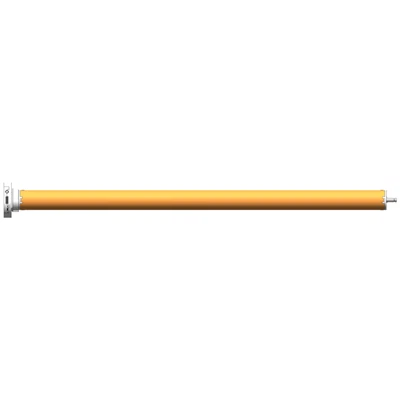
Do motors for automatic awnings require lubrication? This is a question that many customers often ask me as a supplier of motors for automatic awnings. In this blog post, I'll delve into this topic, exploring the necessity of lubrication, the impact of lubrication on motor performance, and how to properly lubricate these motors.
The Necessity of Lubrication for Automatic Awning Motors
Automatic awning motors are complex mechanical devices that consist of various moving parts, such as gears, bearings, and shafts. During operation, these parts rub against each other, generating friction and heat. Without proper lubrication, this friction can lead to several problems.
Firstly, excessive friction can cause accelerated wear and tear of the motor components. Over time, the parts may become damaged, leading to reduced motor efficiency and a shorter lifespan. For example, the gears in the motor may start to wear down, resulting in a noisy operation and a decrease in the motor's ability to smoothly open and close the awning.


Secondly, friction generates heat. If the heat is not dissipated effectively, it can cause the motor to overheat. Overheating can damage the electrical components of the motor, such as the windings, and may even lead to a complete motor failure. Lubrication helps to reduce friction and, consequently, the amount of heat generated during operation.
In addition, lubrication can also protect the motor components from corrosion. Many automatic awning motors are installed outdoors, where they are exposed to various environmental factors such as moisture, dust, and salt air. Lubricants can form a protective film on the surface of the components, preventing moisture and other corrosive substances from coming into contact with the metal parts.
Types of Lubricants for Automatic Awning Motors
There are several types of lubricants that can be used for automatic awning motors. The most common types include grease and oil.
Grease is a thick, semi - solid lubricant that is ideal for applications where the lubricant needs to stay in place for a long time. It adheres well to the surfaces of the motor components and provides good protection against wear and corrosion. Grease is often used in gears and bearings, where it can withstand high loads and slow - moving parts.
Oil, on the other hand, is a liquid lubricant that offers better fluidity. It can easily penetrate into small spaces and provide lubrication to hard - to - reach areas. Oil is suitable for applications where the parts are moving at high speeds or where a more precise lubrication is required.
When choosing a lubricant for an automatic awning motor, it is important to consider the specific requirements of the motor. For example, if the motor is installed in a high - temperature environment, a lubricant with a high - temperature resistance should be selected. Similarly, if the motor is exposed to a lot of dust, a lubricant that can resist dust contamination is preferred.
How to Lubricate Automatic Awning Motors
Lubricating an automatic awning motor is a relatively simple process, but it requires some care and attention. Here are the general steps:
- Turn off the power: Before starting the lubrication process, make sure to turn off the power supply to the motor. This is to prevent any accidental injury or damage to the motor.
- Access the motor components: Depending on the design of the awning motor, you may need to remove some covers or panels to access the parts that need to be lubricated. For example, if you are lubricating the gears, you may need to remove a gearbox cover.
- Clean the components: Use a clean cloth or a brush to remove any dirt, dust, or old lubricant from the surfaces of the components. This ensures that the new lubricant can effectively adhere to the surfaces.
- Apply the lubricant: For grease, use a grease gun to apply the grease to the appropriate parts, such as the gears and bearings. Make sure to apply the grease evenly and avoid over - greasing. For oil, you can use a dropper or a small brush to apply the oil to the required areas.
- Reassemble the motor: After applying the lubricant, carefully reassemble the motor components and replace any covers or panels that were removed.
- Test the motor: Turn on the power and test the motor to make sure it is operating smoothly. Check if the awning opens and closes without any problems.
Impact of Lubrication on Motor Performance
Proper lubrication can significantly improve the performance of automatic awning motors. Here are some of the ways in which lubrication affects motor performance:
- Smoother operation: As mentioned earlier, lubrication reduces friction between the moving parts of the motor. This allows the motor to operate more smoothly, resulting in a quieter and more efficient opening and closing of the awning.
- Increased efficiency: By reducing friction and heat, lubrication helps the motor to use less energy. This means that the motor can operate more efficiently, which can lead to cost savings in the long run.
- Longer lifespan: Lubrication protects the motor components from wear and corrosion, which extends the lifespan of the motor. A well - lubricated motor is less likely to experience breakdowns and will require less frequent maintenance and replacement.
Our Product Range and Lubrication Requirements
As a supplier of motors for automatic awnings, we offer a wide range of products, including the 59mm Manual Tubular Motor, the 59mm Manual Radio Tubular Motor, and the 59mm Electronic Radio Tubular Motor.
Each of our motors is designed to provide reliable and efficient performance. However, to ensure the best performance and longevity of the motors, proper lubrication is essential. Our motors are pre - lubricated at the factory, but we recommend that customers perform regular lubrication maintenance according to the manufacturer's instructions.
Conclusion
In conclusion, motors for automatic awnings do require lubrication. Lubrication is essential for reducing friction, protecting the motor components from wear and corrosion, and ensuring smooth and efficient operation. By choosing the right lubricant and following the proper lubrication procedures, you can significantly extend the lifespan of your automatic awning motor and enjoy trouble - free operation for many years.
If you are interested in purchasing our motors for automatic awnings or have any questions about motor lubrication, please feel free to contact us for further discussion and procurement negotiation. We are committed to providing high - quality products and excellent customer service.
References
- "Mechanical Engineering Handbook" by Myer Kutz
- "Lubrication Fundamentals" by Howard D. Spikes