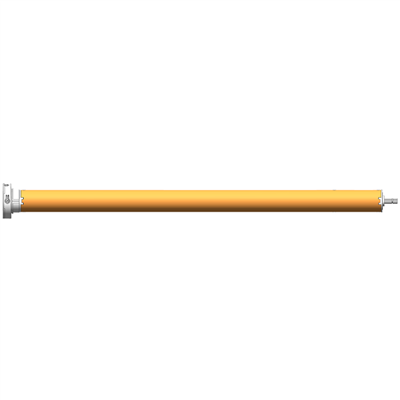
As a provider of Interior Shading System Motors, I've been deeply involved in understanding the intricacies of these motors and their performance in various environments. One question that frequently arises in our discussions with clients is whether interior shading system motors are affected by electromagnetic interference (EMI). In this blog, I'll delve into this topic, exploring the nature of EMI, its potential impact on our motors, and the measures we take to ensure reliable operation.
Understanding Electromagnetic Interference
Electromagnetic interference is the disturbance that affects an electrical circuit due to either electromagnetic induction or electromagnetic radiation emitted from an external source. It can come from a wide range of sources, including power lines, radio frequency transmitters, electrical appliances, and even natural phenomena like lightning. EMI can be classified into two main types: conducted EMI, which travels along power and signal lines, and radiated EMI, which is emitted into the air as electromagnetic waves.


In a modern building, there are numerous sources of EMI. For example, wireless routers, mobile phones, and microwave ovens all emit electromagnetic radiation. Industrial equipment, such as motors, generators, and welding machines, can also generate significant amounts of EMI. This electromagnetic noise can interfere with the normal operation of electronic devices, including interior shading system motors.
Potential Impact of EMI on Interior Shading System Motors
Interior shading system motors are electronic devices that rely on precise control signals to operate. EMI can disrupt these control signals, leading to a variety of problems. One of the most common issues is erratic motor operation. The motor may start and stop unexpectedly, or it may not respond to control commands properly. This can be frustrating for users and may even pose a safety risk in some cases.
Another potential impact of EMI is damage to the motor's electronic components. High levels of electromagnetic radiation can cause overheating, short circuits, or other forms of damage to the motor's printed circuit boards, sensors, and other electronic parts. This can lead to premature motor failure and increased maintenance costs.
In addition, EMI can also affect the communication between the motor and the control system. Many interior shading system motors are designed to be controlled remotely using wireless or wired communication protocols. EMI can interfere with these communication signals, causing data loss or errors. This can result in a loss of control over the shading system, making it difficult or impossible to adjust the blinds or shades as desired.
Our Motors and EMI Resistance
At our company, we understand the importance of EMI resistance in interior shading system motors. That's why we've taken several steps to ensure that our motors are designed to withstand electromagnetic interference.
First, we use high-quality electronic components in our motors. These components are selected for their high performance and reliability, and they are designed to be resistant to EMI. We also use advanced shielding techniques to protect the motor's electronic circuits from electromagnetic radiation. This includes using metal enclosures, conductive coatings, and ferrite beads to reduce the impact of EMI.
Second, we conduct extensive testing on our motors to ensure their EMI resistance. Our testing facilities are equipped with state-of-the-art equipment that can simulate a wide range of electromagnetic environments. We test our motors under different EMI conditions to ensure that they can operate reliably in real-world applications. We also comply with international standards and regulations regarding EMI, such as the FCC (Federal Communications Commission) and CE (Conformité Européene) standards.
Finally, we offer a range of motors with different levels of EMI resistance to meet the needs of our customers. For example, our 25mm Electronic Radio Tubular Motor is designed for use in environments with moderate levels of EMI. It features advanced radio frequency technology and shielding to ensure reliable operation. Our 25mm Smart Electronic Radio Tubular Motor is even more resistant to EMI, making it suitable for use in high-EMI environments. And our 25mm Standard Tubular Motor is a cost-effective option for applications where EMI is not a major concern.
Tips for Reducing EMI in Shading System Installations
In addition to using EMI-resistant motors, there are several other steps that can be taken to reduce the impact of EMI in shading system installations.
One of the most important steps is to ensure proper grounding. Grounding helps to dissipate electromagnetic energy and reduce the risk of EMI. All electrical components in the shading system, including the motors, control panels, and power supplies, should be properly grounded.
Another tip is to separate power and signal cables. Power cables can carry significant amounts of electromagnetic noise, which can interfere with signal cables. By keeping power and signal cables separate, the risk of EMI can be reduced. It's also a good idea to use shielded cables for signal transmission, as this can provide additional protection against electromagnetic radiation.
Finally, it's important to avoid installing shading system motors near sources of EMI. For example, motors should not be installed near wireless routers, microwave ovens, or other electronic devices that emit high levels of electromagnetic radiation. If it's necessary to install the motors near these sources, additional shielding or filtering may be required.
Conclusion
In conclusion, electromagnetic interference can have a significant impact on the performance and reliability of interior shading system motors. However, by using EMI-resistant motors and taking appropriate measures to reduce EMI in the installation, these problems can be minimized. At our company, we are committed to providing high-quality interior shading system motors that are designed to withstand electromagnetic interference. Our motors are tested and certified to meet international standards, and we offer a range of options to meet the needs of our customers.
If you're interested in learning more about our interior shading system motors or have any questions about EMI resistance, please don't hesitate to contact us. We'd be happy to discuss your specific requirements and help you choose the right motor for your application.
References
- Electromagnetic Compatibility (EMC) Standards and Guidelines. International Electrotechnical Commission (IEC).
- Handbook of Electromagnetic Compatibility. Clayton R. Paul.
- Electromagnetic Interference and Compatibility. Henry W. Ott.