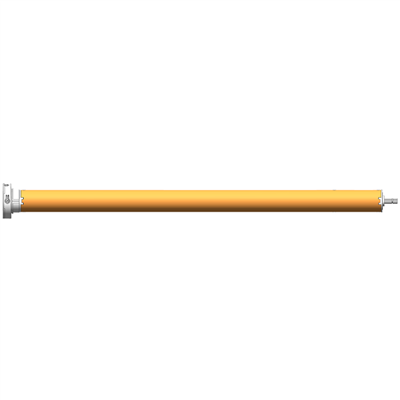
Hey there! As a supplier of motors for roller blinds, I often get asked about how to test a new motor. It's a crucial step to ensure that the motor works properly and provides long - lasting performance for your roller blinds. In this blog, I'll share with you the steps I usually take to test a new motor for roller blinds.


Step 1: Visual Inspection
Before you start any electrical testing, it's always a good idea to do a visual inspection of the motor. Check for any visible damage such as cracks, dents, or loose wires. Make sure all the components are securely attached and there are no signs of wear and tear. A damaged motor might not work correctly or could even pose a safety hazard.
For example, if you notice that the housing of the motor has a crack, it could allow dust and moisture to enter, which can damage the internal components over time. Also, check the wiring connections. Loose wires can cause intermittent electrical contact, leading to inconsistent motor performance.
Step 2: Check the Compatibility
You need to make sure that the motor is compatible with your roller blinds. Consider factors like the size of the blinds, the weight they need to lift, and the type of control system you want to use.
Our 25mm Smart Electronic Radio Tubular Motor is a great option for those who want a high - tech solution. It can be controlled via a radio signal, which is very convenient. However, you need to ensure that your blinds can handle the power and torque of this motor.
Similarly, the 25mm Electronic Radio Tubular Motor and 25mm Standard Tubular Motor also have their own specifications. The standard motor is more basic and might be suitable for lighter blinds, while the electronic radio version offers more advanced features.
Step 3: Electrical Testing
Once you've done the visual inspection and confirmed compatibility, it's time to start the electrical testing. First, make sure you have the right power supply. Most roller blind motors operate on low - voltage DC power, usually around 24V.
Use a multimeter to check the voltage output of the power supply. Connect the multimeter probes to the power supply terminals and set the multimeter to the DC voltage setting. The reading should match the voltage specified for the motor.
Next, connect the motor to the power supply. Make sure to follow the wiring diagram provided with the motor. Once connected, turn on the power supply. The motor should start to run. Listen for any unusual noises. A grinding or rattling noise could indicate a problem with the motor's internal gears or bearings.
Step 4: Test the Movement
After the motor starts running, test the movement of the roller blinds. The blinds should move smoothly up and down. Pay attention to the speed of the movement. If the blinds move too slowly, it could mean that the motor is underpowered or there is a mechanical issue.
Also, check if the blinds stop at the right positions. Most modern motors have limit switches that control the up and down movement. If the blinds don't stop at the correct positions, you might need to adjust the limit switches. This can usually be done using the control system or by following the instructions in the motor's manual.
Step 5: Test the Control System
If your motor comes with a control system, such as a remote control or a wall - mounted switch, test it thoroughly. Press the up and down buttons on the control device and make sure the motor responds correctly.
For motors with smart features, like the 25mm Smart Electronic Radio Tubular Motor, you can also test the integration with other smart home systems. Try connecting it to your smartphone app if available and see if you can control the blinds from your phone.
Step 6: Long - Term Testing
Short - term testing is important, but long - term testing can reveal more potential issues. Let the motor run for a few hours continuously or cycle the blinds up and down multiple times. This can help you detect any problems that might only occur after extended use, such as overheating or component fatigue.
During long - term testing, monitor the motor's temperature. If it gets too hot, it could be a sign of a problem with the motor's efficiency or a short - circuit. You can use an infrared thermometer to measure the temperature of the motor housing.
Step 7: Safety Testing
Safety is always a top priority. Check if the motor has any safety features, such as overload protection. Try to overload the motor slightly (but not to the point of causing permanent damage) and see if the safety feature kicks in.
Also, make sure that the motor is properly grounded. A grounded motor can prevent electrical shocks in case of a malfunction. Check the grounding wire and ensure it is securely connected.
Conclusion
Testing a new motor for roller blinds is a multi - step process that requires attention to detail. By following these steps, you can ensure that your motor works properly and provides reliable performance for your roller blinds.
If you're in the market for a high - quality motor for your roller blinds, we've got you covered. We offer a wide range of motors, including the 25mm Smart Electronic Radio Tubular Motor, 25mm Electronic Radio Tubular Motor, and 25mm Standard Tubular Motor. If you have any questions or want to discuss your specific requirements, feel free to reach out to us for a procurement discussion.
References
- General knowledge from years of experience in the roller blind motor industry.
- Manufacturer's manuals for the 25mm Smart Electronic Radio Tubular Motor, 25mm Electronic Radio Tubular Motor, and 25mm Standard Tubular Motor.