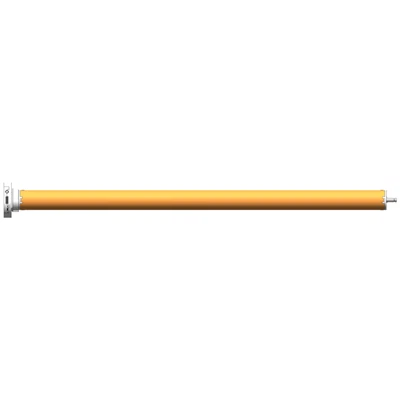
Saltwater and humidity are two environmental factors that can significantly impact the performance and lifespan of automatic awning motors. As a supplier of high - quality automatic awning motors, including the 45mm Electronic Radio Tubular Motor, 45mm Radio Tubular Motor, and 45mm Manual Tubular Motor, I have witnessed firsthand the effects of these elements on our products.
The Impact of Saltwater on Automatic Awning Motors
Saltwater contains a high concentration of sodium chloride and other minerals. When an automatic awning motor is exposed to saltwater, it can lead to several detrimental effects.
Corrosion
One of the most significant problems is corrosion. Saltwater acts as an electrolyte, which accelerates the electrochemical process of corrosion. The metal components of the motor, such as the housing, gears, and shafts, are particularly vulnerable. Corrosion can cause the metal to rust and weaken, leading to structural damage. For example, if the gearbox of the motor corrodes, the gears may not mesh properly, resulting in reduced efficiency and eventually motor failure.
Electrical Malfunctions
Saltwater can also cause electrical malfunctions. The salt can deposit on electrical contacts and wiring, creating a conductive path that can short - circuit the electrical system. This can lead to erratic motor operation, such as sudden stops or starts, or complete failure of the motor to function. In addition, the moisture from the saltwater can cause the insulation of the wiring to break down, increasing the risk of electrical shock and fire hazards.
Sealing Compromise
The seals and gaskets in the motor are designed to keep out moisture and dirt. However, saltwater can degrade these seals over time. Once the seals are compromised, more saltwater and moisture can enter the motor, exacerbating the corrosion and electrical problems. This can create a vicious cycle where the motor becomes increasingly damaged, and the cost of repair or replacement rises.
The Impact of Humidity on Automatic Awning Motors
Humidity refers to the amount of water vapor in the air. High humidity levels can also have a negative impact on automatic awning motors.
Moisture Ingress
Even in the absence of direct contact with water, high humidity can cause moisture to condense inside the motor. This is especially true in environments where there are significant temperature fluctuations. When the air cools, the water vapor in the air can condense on the cold surfaces of the motor. The accumulated moisture can lead to corrosion of the metal components, similar to the effects of saltwater.
Mold and Mildew Growth
Moisture - rich environments are ideal for the growth of mold and mildew. These fungi can grow on the motor's internal and external surfaces. Mold and mildew not only look unsightly but can also cause damage to the motor. They can clog ventilation holes, reducing the motor's ability to dissipate heat. Additionally, the enzymes produced by mold and mildew can break down organic materials, such as the insulation of the wiring and the lubricants used in the motor, further affecting its performance.
Lubrication Breakdown
The lubricants used in the motor are essential for reducing friction between moving parts. However, high humidity can cause the lubricants to break down. The water in the air can mix with the lubricant, changing its viscosity and reducing its lubricating properties. This can lead to increased wear and tear on the motor's moving parts, shortening the motor's lifespan.
Preventive Measures
As a supplier of automatic awning motors, we understand the importance of protecting the motors from saltwater and humidity. Here are some preventive measures that can be taken:
Protective Coatings
Applying protective coatings to the motor's metal components can help prevent corrosion. These coatings act as a barrier between the metal and the saltwater or moisture. For example, a powder - coated finish can provide a durable and corrosion - resistant layer. Some coatings are also designed to be hydrophobic, which means they repel water, reducing the likelihood of moisture ingress.
Sealing Enhancements
Upgrading the seals and gaskets in the motor can improve its resistance to moisture and saltwater. Using high - quality, weather - resistant materials for the seals can ensure a better seal and prevent the entry of water and salt. Additionally, adding secondary seals or gaskets can provide an extra layer of protection.


Ventilation and Drainage
Proper ventilation is crucial for reducing humidity inside the motor. Designing the motor with ventilation holes that are strategically placed can allow moisture to escape. At the same time, incorporating drainage channels can help remove any accumulated water. For example, if there is a small amount of water that enters the motor, the drainage channels can direct it out of the motor before it causes damage.
Environmental Monitoring
Installing environmental sensors in the awning system can help detect high humidity or saltwater exposure. These sensors can send alerts to the user or a monitoring system, allowing for timely action to be taken. For example, if the humidity level inside the motor reaches a critical point, the system can automatically close the awning and take steps to dry the motor.
Our Solutions as a Supplier
At our company, we take the issue of saltwater and humidity resistance seriously. Our 45mm Electronic Radio Tubular Motor, 45mm Radio Tubular Motor, and 45mm Manual Tubular Motor are designed with advanced features to withstand these environmental challenges.
We use high - grade stainless steel and other corrosion - resistant materials in the construction of our motors. The electrical components are protected by waterproof and dust - proof enclosures. Our motors also feature enhanced sealing technology to prevent moisture ingress.
In addition, we offer regular maintenance services and replacement parts to ensure the long - term performance of our motors. Our team of experts can provide advice on how to protect the motors in different environments and how to troubleshoot any problems that may arise.
Conclusion
Saltwater and humidity can have a significant impact on the performance and lifespan of automatic awning motors. Corrosion, electrical malfunctions, moisture ingress, and mold growth are some of the common problems associated with these environmental factors. However, by taking preventive measures such as using protective coatings, enhancing seals, and ensuring proper ventilation, the negative effects can be minimized.
As a leading supplier of automatic awning motors, we are committed to providing high - quality products that are resistant to saltwater and humidity. Our range of motors, including the 45mm Electronic Radio Tubular Motor, 45mm Radio Tubular Motor, and 45mm Manual Tubular Motor, is designed to meet the needs of various environments. If you are in the market for a reliable automatic awning motor, we invite you to contact us for more information and to discuss your specific requirements. Our team is ready to assist you in finding the perfect solution for your awning system.
References
- Callister, W. D., & Rethwisch, D. G. (2011). Materials Science and Engineering: An Introduction. Wiley.
- ASM Handbook Committee. (2003). ASM Handbook, Volume 13A: Corrosion: Fundamentals, Testing, and Protection. ASM International.
- McGraw - Hill Professional. (2004). Electrical Engineering Handbook. McGraw - Hill.