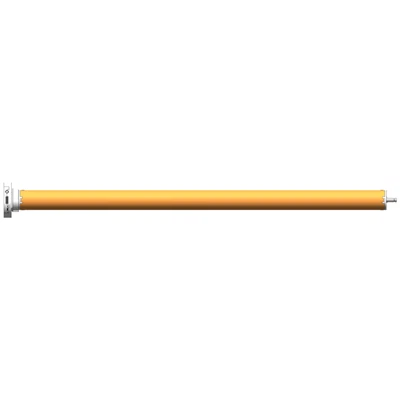
As a supplier of Interior Shading System Motors, I've witnessed firsthand the various challenges that can plague these essential components. Interior shading systems are crucial for controlling light, privacy, and energy efficiency in both residential and commercial settings. The motors that drive these systems are the heart of their operation, and when they fail, it can lead to significant inconvenience and disruption. In this blog post, I'll explore some of the most common failures of interior shading system motors and discuss potential solutions.
Electrical Failures
One of the most prevalent issues with interior shading system motors is electrical failure. This can manifest in several ways, including short circuits, open circuits, and power surges. Short circuits occur when the electrical current bypasses its intended path, often due to damaged wiring or a malfunctioning component. This can cause the motor to overheat, trip circuit breakers, or even pose a fire hazard. Open circuits, on the other hand, occur when the electrical path is interrupted, preventing the motor from receiving power. This can be caused by loose connections, broken wires, or a faulty switch.
Power surges are another common cause of electrical failure. These sudden spikes in voltage can damage the motor's electrical components, such as the circuit board or the motor windings. Power surges can be caused by lightning strikes, utility grid issues, or the operation of other high-power electrical devices in the same building. To protect against power surges, it's important to install surge protectors on the motor and any other sensitive electrical equipment in the shading system.
Mechanical Failures
Mechanical failures are also a common problem with interior shading system motors. These can include issues with the motor's gears, bearings, or drive shaft. Over time, the gears in the motor can wear down, causing the motor to operate less efficiently or even stop working altogether. This can be caused by normal wear and tear, improper lubrication, or the presence of debris in the gearbox.
Bearings are another critical component of the motor that can fail over time. These small, precision-engineered parts support the rotating shaft of the motor and reduce friction. When the bearings wear out, they can cause the motor to make noise, vibrate, or seize up. This can be caused by lack of lubrication, contamination, or excessive load on the motor.


The drive shaft is the component that connects the motor to the shading system. If the drive shaft becomes bent or damaged, it can prevent the motor from transferring power to the shading system, causing it to malfunction. This can be caused by improper installation, excessive force applied to the drive shaft, or the presence of debris in the drive mechanism.
Control System Failures
In addition to electrical and mechanical failures, control system failures can also cause problems with interior shading system motors. The control system is responsible for regulating the operation of the motor, including turning it on and off, adjusting the speed, and controlling the position of the shading system. If the control system fails, the motor may not operate correctly or may not operate at all.
One common cause of control system failure is a faulty remote control or wall switch. These devices send signals to the motor to control its operation, and if they malfunction, the motor may not respond as expected. This can be caused by a dead battery, a damaged button, or a problem with the signal receiver in the motor.
Another potential cause of control system failure is a problem with the motor's programming. Many modern interior shading system motors are programmable, allowing users to set specific schedules or preferences for the operation of the shading system. If the programming is incorrect or corrupted, the motor may not operate as intended. To resolve this issue, it may be necessary to reset the motor's programming or consult the manufacturer's instructions for troubleshooting.
Environmental Factors
Environmental factors can also have a significant impact on the performance and lifespan of interior shading system motors. Exposure to extreme temperatures, humidity, or dust can all cause problems with the motor's electrical and mechanical components. High temperatures can cause the motor to overheat, which can damage the electrical components and reduce the lifespan of the motor. Humidity can cause corrosion and rust to form on the motor's metal parts, which can lead to mechanical failures. Dust and debris can also accumulate in the motor's gearbox and other components, causing them to wear out more quickly.
To protect against environmental factors, it's important to choose a motor that is designed for the specific environmental conditions in which it will be installed. For example, if the shading system will be installed in a high-humidity environment, such as a bathroom or a pool area, it's important to choose a motor that is rated for use in wet or damp conditions. Additionally, it's important to keep the motor clean and free of dust and debris, and to ensure that it is properly ventilated to prevent overheating.
Solutions and Preventive Measures
To address the common failures of interior shading system motors, it's important to take a proactive approach to maintenance and troubleshooting. Regular maintenance can help prevent many of the problems discussed above and extend the lifespan of the motor. This can include tasks such as lubricating the gears and bearings, checking the electrical connections, and cleaning the motor and the shading system.
If a problem does occur, it's important to diagnose and address it as quickly as possible. This may involve consulting the manufacturer's troubleshooting guide, contacting a professional technician, or replacing the faulty component. In some cases, it may be necessary to replace the entire motor if the damage is severe.
To prevent future failures, it's also important to choose a high-quality motor from a reputable manufacturer. At our company, we offer a range of 25mm Smart Electronic Radio Tubular Motor, 25mm Battery Electronic Radio Tubular Motor, and 25mm Standard Tubular Motor that are designed to be reliable and durable. Our motors are built with high-quality components and are rigorously tested to ensure they meet the highest standards of performance and safety.
Conclusion
In conclusion, interior shading system motors can experience a variety of failures, including electrical, mechanical, control system, and environmental issues. By understanding the common causes of these failures and taking proactive measures to prevent and address them, you can ensure that your shading system operates smoothly and efficiently for years to come. If you have any questions or concerns about the performance of your interior shading system motor, or if you're interested in learning more about our products, please don't hesitate to contact us. We're here to help you find the best solution for your shading system needs.
References
- "Interior Shading System Motors: A Comprehensive Guide." Manufacturer's Manual.
- "Electrical and Mechanical Troubleshooting for Shading System Motors." Industry Publication.
- "Protecting Shading System Motors from Environmental Factors." Technical Report.