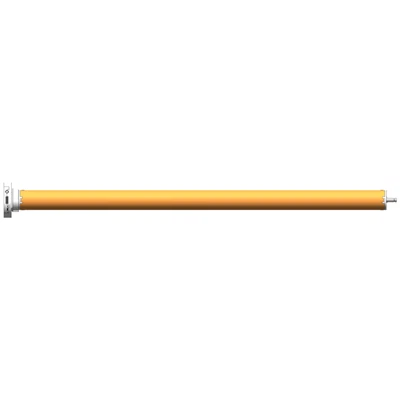
Ensuring compliance with building codes when installing a motor for an automatic awning is a critical step that every installer and property owner should take seriously. As a supplier of motors for automatic awnings, I understand the importance of this process, not only for the safety and functionality of the awning but also to avoid potential legal issues. In this blog post, I will share some key steps and considerations to help you ensure that your motor installation meets all relevant building codes.
Understanding Building Codes
Before you start any installation work, it's essential to familiarize yourself with the local building codes that apply to automatic awning motors. These codes can vary significantly depending on your location, so it's crucial to check with your local building department or a professional architect or engineer. Building codes typically cover aspects such as electrical safety, structural integrity, and fire safety.
For example, electrical codes may specify the type of wiring, grounding requirements, and the maximum allowable current for the motor. Structural codes may dictate the strength and stability of the mounting hardware and the awning itself. Fire safety codes may require the use of fire-resistant materials or the installation of fire suppression systems in certain areas.
Selecting the Right Motor
Choosing the appropriate motor for your automatic awning is a crucial factor in ensuring compliance with building codes. At our company, we offer a range of high-quality motors, including the 59mm Electronic Radio Tubular Motor, the 59mm Standard Tubular Motor, and the 59mm Manual Radio Tubular Motor. Each motor is designed to meet specific requirements and standards, so it's important to select the one that best suits your awning and local building codes.
When choosing a motor, consider factors such as the size and weight of the awning, the required operating speed, and the power source. Make sure the motor has the necessary certifications and approvals, such as UL (Underwriters Laboratories) or CE (Conformité Européene), to ensure it meets safety and performance standards.
Pre-Installation Planning
Proper pre-installation planning is essential to ensure a smooth and compliant installation process. Start by conducting a site survey to assess the installation location and identify any potential issues or challenges. This may include checking the structural integrity of the building, the availability of power sources, and the clearance requirements for the awning.
Create a detailed installation plan that includes the motor specifications, the mounting hardware requirements, and the electrical wiring diagram. Make sure the plan complies with all relevant building codes and regulations. It's also a good idea to consult with a professional installer or engineer to review the plan and provide any necessary guidance or recommendations.
Installation Process
During the installation process, it's important to follow the manufacturer's instructions and the local building codes carefully. Here are some key steps to ensure a compliant installation:
- Mounting the Motor: Use the appropriate mounting hardware and follow the manufacturer's instructions to ensure the motor is securely attached to the awning. Make sure the mounting brackets are strong enough to support the weight of the motor and the awning.
- Electrical Wiring: Hire a licensed electrician to install the electrical wiring for the motor. The wiring should be installed in accordance with the local electrical codes and the manufacturer's instructions. Use the correct gauge of wire and ensure proper grounding to prevent electrical hazards.
- Testing and Commissioning: Once the motor is installed, test it to ensure it is operating properly. Check the awning's movement, the speed, and the limit switches. Make any necessary adjustments to ensure the awning functions smoothly and safely.
Post-Installation Inspection
After the installation is complete, it's important to conduct a post-installation inspection to ensure compliance with building codes. This may involve a visual inspection of the installation, a review of the electrical wiring, and a test of the motor's functionality.
If any issues or non-compliances are identified during the inspection, they should be addressed immediately. This may involve making repairs, replacing faulty components, or obtaining additional approvals or permits.
Ongoing Maintenance and Monitoring
To ensure continued compliance with building codes, it's important to perform regular maintenance and monitoring of the automatic awning motor. This may include lubricating the motor, checking the wiring for damage, and testing the limit switches.
Keep a record of all maintenance and repairs performed on the motor, including the date, the type of work, and the name of the technician. This documentation can be useful in the event of an inspection or if any issues arise in the future.
Conclusion
Ensuring compliance with building codes when installing a motor for an automatic awning is a complex but essential process. By following the steps outlined in this blog post, you can help ensure that your installation is safe, functional, and compliant with all relevant regulations.


At our company, we are committed to providing high-quality motors for automatic awnings that meet the highest standards of safety and performance. If you have any questions or need assistance with selecting the right motor or ensuring compliance with building codes, please don't hesitate to contact us. We would be happy to help you with your awning motor needs and guide you through the procurement process.
References
- Local Building Codes and Regulations
- Manufacturer's Installation and Operation Manuals
- Electrical and Structural Engineering Standards