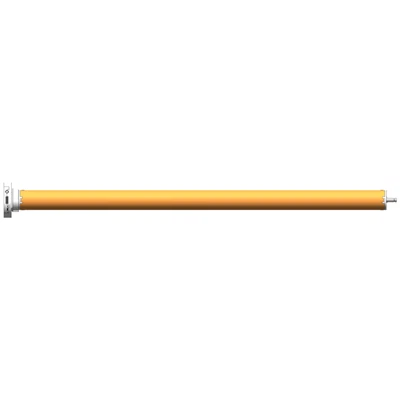
As a seasoned supplier of AC tubular motors, I've encountered numerous inquiries about the optimal temperature range for these motors to operate effectively. Understanding this crucial aspect is essential for ensuring the longevity and performance of the motors, whether they are used in residential blinds, commercial shutters, or industrial applications. In this blog post, I'll delve into the temperature range in which an AC tubular motor can operate, the factors that influence this range, and how to maintain the motors under different temperature conditions.
Optimal Temperature Range for AC Tubular Motors
The typical temperature range for an AC tubular motor to operate efficiently lies between -20°C to 60°C (-4°F to 140°F). This range is determined by the materials used in the motor's construction, the insulation properties, and the lubrication of moving parts. Within this range, the motor can maintain its mechanical and electrical performance, ensuring smooth operation and reliable functionality.
At lower temperatures, the viscosity of the lubricants used in the motor increases, which can lead to increased friction and wear on the moving parts. This can cause the motor to draw more current, leading to overheating and potential damage. Additionally, the insulation materials may become more brittle, increasing the risk of electrical breakdown. Therefore, it's important to ensure that the motor is properly insulated and protected from extreme cold conditions.
On the other hand, at higher temperatures, the lubricants can break down, losing their ability to reduce friction and protect the moving parts. The insulation materials may also degrade, leading to a higher risk of short circuits and electrical failures. Moreover, the increased temperature can cause the motor's windings to expand, which can lead to mechanical stress and potential damage to the motor.
Factors Influencing the Temperature Range
Several factors can influence the temperature range in which an AC tubular motor can operate. These include the motor's design, the type of application, and the environmental conditions.
- Motor Design: The design of the motor plays a significant role in determining its temperature range. Motors with better ventilation and heat dissipation capabilities can operate at higher temperatures without overheating. Additionally, motors with high-quality insulation materials and lubricants are more resistant to temperature variations.
- Type of Application: The type of application in which the motor is used can also affect its temperature range. For example, motors used in continuous operation applications, such as in industrial settings, may generate more heat and require a wider temperature range. On the other hand, motors used in intermittent operation applications, such as in residential blinds, may not generate as much heat and can operate within a narrower temperature range.
- Environmental Conditions: The environmental conditions in which the motor is installed can also have a significant impact on its temperature range. Motors installed in enclosed spaces or areas with poor ventilation may experience higher temperatures due to the lack of air circulation. Similarly, motors installed in areas with high humidity or dust levels may be more susceptible to damage from moisture and contaminants.
Maintaining AC Tubular Motors Under Different Temperature Conditions
To ensure the optimal performance and longevity of AC tubular motors, it's important to take appropriate measures to maintain them under different temperature conditions. Here are some tips:


- Cold Conditions: In cold conditions, it's important to ensure that the motor is properly insulated and protected from the elements. This can be achieved by using insulation materials, such as foam or fiberglass, to wrap the motor. Additionally, it's recommended to use a motor with a lower starting torque to reduce the strain on the motor during cold starts.
- Hot Conditions: In hot conditions, it's important to ensure that the motor has adequate ventilation and heat dissipation. This can be achieved by installing the motor in a well-ventilated area or by using a fan to circulate air around the motor. Additionally, it's recommended to use a motor with a higher temperature rating to ensure that it can operate safely at higher temperatures.
- Humid Conditions: In humid conditions, it's important to ensure that the motor is protected from moisture. This can be achieved by using a motor with a waterproof enclosure or by installing the motor in a dry area. Additionally, it's recommended to use a motor with a corrosion-resistant coating to prevent rust and damage to the motor.
Our Range of AC Tubular Motors
As a leading supplier of AC tubular motors, we offer a wide range of motors suitable for various applications. Our motors are designed to operate within a wide temperature range, ensuring reliable performance in different environmental conditions.
- 45mm Standard Tubular Motor: This motor is suitable for a variety of applications, including residential blinds, commercial shutters, and industrial doors. It features a compact design and high torque output, making it ideal for use in tight spaces.
- 45mm Electronic Radio Tubular Motor: This motor is equipped with a radio receiver, allowing it to be controlled remotely. It's suitable for use in applications where manual operation is not convenient, such as in high windows or large commercial buildings.
- 45mm Manual Radio Tubular Motor: This motor combines the convenience of remote control with the option of manual operation. It's suitable for use in applications where both remote control and manual operation are required, such as in residential blinds.
Conclusion
Understanding the temperature range in which an AC tubular motor can operate is essential for ensuring its optimal performance and longevity. By considering the factors that influence the temperature range and taking appropriate measures to maintain the motor under different temperature conditions, you can ensure that your motor operates safely and efficiently.
If you're interested in learning more about our range of AC tubular motors or have any questions about their temperature range and performance, please don't hesitate to contact us. Our team of experts is always ready to assist you with your procurement needs and provide you with the best solutions for your applications.
References
- "Motor Temperature and Its Effects on Performance," Electrical Engineering Portal.
- "Temperature Considerations for Electric Motors," Baldor Electric Company.
- "Operating Temperature Range of Electric Motors," GlobalSpec.