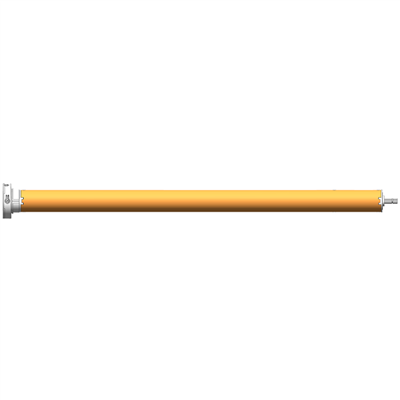
Hey there! As a supplier of DC tubular motors, I've seen firsthand how these motors play a crucial role in various applications, from blinds and curtains to awnings and garage doors. In this blog, I'm gonna share some tips on how to optimize the performance of a DC tubular motor.
Understanding the Basics of DC Tubular Motors
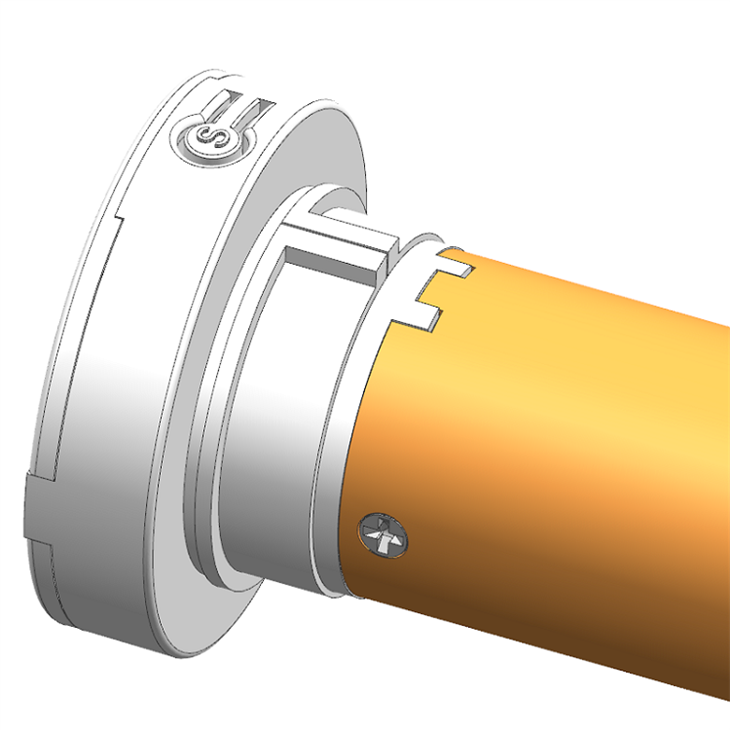
Before we dive into optimization, let's quickly go over what DC tubular motors are. These motors are compact, cylindrical in shape, and are designed to fit inside tubes or shafts. They operate on direct current (DC), which makes them energy - efficient and easy to control.
One of the key advantages of DC tubular motors is their quiet operation. They're also known for their smooth start and stop functions, which is essential for applications where precision is required. However, to get the most out of these motors, you need to pay attention to several factors.
1. Select the Right Motor for Your Application
The first step in optimizing performance is choosing the right motor for the job. Different applications have different requirements in terms of torque, speed, and power. For example, if you're using the motor for a heavy - duty curtain or awning, you'll need a motor with higher torque.
We offer a range of DC tubular motors, including the 25mm Battery Electronic Radio Tubular Motor, the 25mm Standard Tubular Motor, and the 25mm Smart Electronic Radio Tubular Motor. Each of these motors is designed to meet specific needs. The battery - powered motor is great for applications where there's no access to a power outlet, while the smart motor can be controlled remotely, adding a lot of convenience.
2. Proper Installation
Proper installation is crucial for the optimal performance of a DC tubular motor. Make sure the motor is installed in a clean, dry, and well - ventilated area. Any dust, dirt, or moisture can affect the motor's performance and lifespan.
When installing the motor, ensure that it's properly aligned with the load. Misalignment can cause excessive wear and tear on the motor's components, leading to reduced performance and a shorter lifespan. Follow the manufacturer's installation instructions carefully, and if you're not sure, it's always a good idea to consult a professional.
3. Power Supply Management
The power supply is another important factor. DC tubular motors are sensitive to voltage fluctuations. Using a stable and appropriate power supply is essential. Make sure the voltage of the power supply matches the motor's requirements.
If you're using a battery - powered motor, keep an eye on the battery's charge level. Recharge the battery regularly to ensure consistent performance. Also, consider using a high - quality battery to get the best results.
4. Regular Maintenance
Just like any other mechanical device, DC tubular motors need regular maintenance. This includes cleaning the motor, checking the connections, and lubricating the moving parts.
Cleaning the motor helps to remove any dust or debris that may have accumulated on its surface. You can use a soft brush or a compressed air canister to clean the motor. Make sure to disconnect the power supply before cleaning to avoid any electrical hazards.
Checking the connections is also important. Loose connections can cause a drop in voltage, which can affect the motor's performance. Tighten any loose screws or terminals regularly.
Lubricating the moving parts reduces friction and wear, which can improve the motor's efficiency and lifespan. Use a lubricant recommended by the manufacturer, and apply it according to the instructions.
5. Control System Optimization
Most modern DC tubular motors come with a control system. Optimizing this control system can significantly improve the motor's performance.
For example, you can adjust the speed and acceleration settings of the motor according to your needs. If you need the motor to move slowly and smoothly, you can set a lower speed and acceleration. On the other hand, if you need a quick movement, you can increase these settings.
Some motors also support advanced control features, such as limit switches and programmable functions. These features can be used to automate the motor's operation, adding more convenience and precision.
6. Temperature Management
DC tubular motors generate heat during operation. Excessive heat can damage the motor's components and reduce its performance. Therefore, it's important to manage the temperature of the motor.
Make sure the motor has enough ventilation. If the motor is installed in an enclosed space, consider adding a ventilation fan or a heat sink. You can also monitor the motor's temperature using a temperature sensor. If the temperature exceeds the recommended range, take steps to cool the motor down, such as reducing the load or increasing the ventilation.
7. Load Management
Managing the load on the motor is crucial for its performance. Overloading the motor can cause it to overheat, reduce its efficiency, and even lead to motor failure.
Make sure the load on the motor is within its rated capacity. If you need to move a heavier load, consider using a motor with higher torque. You can also distribute the load evenly to reduce the stress on the motor.
8. Software Updates
If your DC tubular motor has a smart control system, keep the software up - to - date. Software updates often include bug fixes, performance improvements, and new features.
Manufacturers regularly release software updates to enhance the functionality and performance of their motors. Check the manufacturer's website regularly for updates, and follow the instructions to install them.
Contact for Purchase and Consultation
Optimizing the performance of a DC tubular motor requires attention to several factors, from proper selection and installation to regular maintenance and control system optimization. If you're in the market for a high - quality DC tubular motor or need more advice on how to optimize the performance of your existing motor, feel free to contact us. We're here to help you make the right choice and get the most out of your motor.

References
- "DC Motor Handbook", various industry experts
- Manufacturer's manuals for DC tubular motors