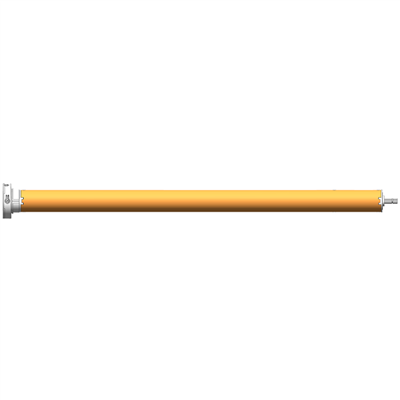
When it comes to tubular motors operating in humid environments, the threat of corrosion is a significant concern. As a tubular motor supplier, I understand the importance of implementing effective anti - corrosion measures to ensure the longevity and reliability of our products. In this blog, we'll explore the various steps that can be taken to protect tubular motors from the damaging effects of humidity.
Understanding the Corrosion Mechanism in Tubular Motors
Corrosion in tubular motors is primarily an electrochemical process. In a humid environment, water acts as an electrolyte, facilitating the flow of electrons between different metals or different areas of the same metal. The presence of oxygen further accelerates this process. Tubular motors are typically made up of various components such as steel shafts, aluminum housings, and copper windings. Each of these materials has a different electrochemical potential, which creates a galvanic cell when exposed to moisture.
For instance, when steel and aluminum come into contact in the presence of water, aluminum, being more electropositive, acts as the anode and corrodes preferentially. This can lead to structural weakness in the motor housing and affect the overall performance of the motor. The copper windings can also be affected by corrosion, which may increase the electrical resistance and reduce the efficiency of the motor.
Material Selection
One of the fundamental anti - corrosion measures starts with the selection of materials. At our company, we offer a range of tubular motors, including the 35mm Electronic Radio Tubular Motor, 25mm Battery Electronic Radio Tubular Motor, and 59mm Radio Tubular Motor. For applications in humid environments, we use corrosion - resistant materials whenever possible.
Stainless steel is a popular choice for components such as shafts and fasteners. It contains chromium, which forms a passive oxide layer on the surface, protecting it from further corrosion. Aluminum alloys with high corrosion resistance can be used for the motor housing. These alloys are treated with special coatings or anodizing processes to enhance their resistance to moisture.
Surface Coatings
Applying surface coatings is an effective way to protect tubular motors from corrosion. There are several types of coatings available, each with its own advantages.
Powder Coating
Powder coating is a dry finishing process that involves applying a fine powder of resin and pigment to the surface of the motor housing. The powder is electrostatically charged and then baked at a high temperature, forming a hard, durable coating. Powder coatings provide excellent protection against moisture, chemicals, and abrasion. They also come in a variety of colors, allowing for aesthetic customization.
Galvanization
Galvanization is the process of applying a layer of zinc to the surface of steel or iron components. Zinc acts as a sacrificial anode, corroding in place of the base metal. This provides long - term protection against rust. Hot - dip galvanizing is a common method used for tubular motor components, where the parts are immersed in a bath of molten zinc.
Epoxy Coatings
Epoxy coatings are known for their excellent adhesion and chemical resistance. They can be applied to the interior and exterior of the motor housing to create a barrier against moisture. Epoxy coatings are also resistant to abrasion and can withstand harsh environmental conditions.


Sealing and Enclosure
Proper sealing is crucial to prevent moisture from entering the tubular motor. Seals and gaskets are used to close any gaps or openings in the motor housing. These seals are made of materials such as rubber or silicone, which are flexible and can conform to the shape of the components.
In addition to seals, we also offer enclosures for our tubular motors. These enclosures provide an extra layer of protection against moisture, dust, and other environmental contaminants. The enclosures are designed to be weatherproof and can be made of materials such as plastic or metal. They are also equipped with ventilation systems to prevent the build - up of condensation inside the enclosure.
Maintenance and Monitoring
Regular maintenance is essential to ensure the long - term performance of tubular motors in humid environments. This includes inspecting the motor for signs of corrosion, checking the integrity of the seals and coatings, and cleaning the motor to remove any dirt or debris.
Monitoring the environmental conditions around the motor can also help prevent corrosion. Installing humidity sensors can provide real - time information about the moisture levels in the air. If the humidity exceeds a certain threshold, appropriate measures can be taken, such as increasing ventilation or using dehumidifiers.
Conclusion
In conclusion, protecting tubular motors from corrosion in humid environments requires a comprehensive approach. By selecting the right materials, applying appropriate surface coatings, ensuring proper sealing and enclosure, and implementing regular maintenance and monitoring, we can significantly extend the lifespan of our tubular motors.
As a tubular motor supplier, we are committed to providing high - quality products that can withstand the challenges of various environments. Our 35mm Electronic Radio Tubular Motor, 25mm Battery Electronic Radio Tubular Motor, and 59mm Radio Tubular Motor are designed with these anti - corrosion measures in mind.
If you are interested in learning more about our tubular motors or need assistance in selecting the right product for your application, please feel free to contact us for a purchase negotiation. We look forward to serving you and providing you with the best solutions for your tubular motor needs.
References
- Jones, D. A. (1992). Principles and Prevention of Corrosion. Prentice Hall.
- Uhlig, H. H., & Revie, R. W. (1985). Corrosion and Corrosion Control. Wiley - Interscience.
- Fontana, M. G. (1986). Corrosion Engineering. McGraw - Hill.