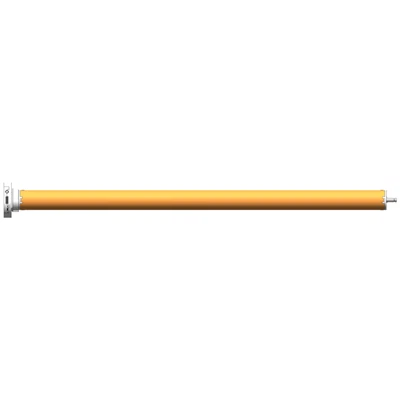
When it comes to DC tubular motors, understanding the normal operating temperature range is crucial for ensuring their optimal performance, longevity, and safety. As a leading supplier of DC tubular motors, I've witnessed firsthand the impact of temperature on these motors and the importance of providing accurate information to our customers. In this blog post, I'll delve into the temperature range in which a DC tubular motor can operate normally, factors affecting this range, and how to ensure your motor functions well within these parameters.
Normal Operating Temperature Range
DC tubular motors are designed to operate within a specific temperature range, typically between -20°C to 60°C (-4°F to 140°F). This range is carefully determined based on the materials used in the motor's construction, the performance of its electrical components, and the lubrication properties of its moving parts.
Within this temperature range, the motor can maintain its efficiency, torque output, and overall performance. The electrical insulation materials can withstand the thermal stress without breaking down, and the lubricants can provide sufficient protection and reduce friction between moving parts. For instance, our 25mm Smart Electronic Radio Tubular Motor is engineered to operate seamlessly within this standard temperature range, ensuring reliable performance for various applications.
Factors Affecting the Operating Temperature Range
Several factors can influence the operating temperature range of a DC tubular motor. Understanding these factors can help you take appropriate measures to ensure the motor operates within its safe limits.


Ambient Temperature
The most obvious factor is the ambient temperature in which the motor is installed. Motors installed in hot environments, such as attics or near heat sources, will experience higher operating temperatures. Conversely, motors in cold climates or refrigerated spaces will operate at lower temperatures. For example, if you install our 25mm Electronic Radio Tubular Motor in a hot warehouse, you need to consider additional cooling measures to prevent overheating.
Load Conditions
The load on the motor also plays a significant role in its operating temperature. A motor operating under a heavy load will generate more heat than one operating under a light load. Continuous operation at high loads can cause the motor to overheat, reducing its lifespan and potentially leading to failure. Therefore, it's essential to select a motor with the appropriate torque rating for your application to avoid overloading.
Duty Cycle
The duty cycle, or the ratio of operating time to rest time, affects the motor's temperature. Motors with a high duty cycle, meaning they operate for long periods without sufficient rest, will accumulate more heat. In contrast, motors with a low duty cycle have more time to cool down between operations. Our 25mm Battery Electronic Radio Tubular Motor is suitable for applications with different duty cycles, but proper consideration of the duty cycle is still necessary to ensure optimal performance.
Ventilation and Cooling
Adequate ventilation and cooling are essential for maintaining the motor's temperature within the safe range. Poor ventilation can trap heat around the motor, causing it to overheat. Some motors are equipped with built - in cooling fans or heat sinks to dissipate heat more effectively. In addition, proper installation in a well - ventilated area can also help reduce the operating temperature.
Consequences of Operating Outside the Temperature Range
Operating a DC tubular motor outside its normal temperature range can have several negative consequences.
Reduced Efficiency
At high temperatures, the electrical resistance of the motor's windings increases, leading to higher power consumption and reduced efficiency. The motor may draw more current to maintain the same torque output, resulting in increased energy costs. In cold temperatures, the lubricants may thicken, increasing friction and reducing the motor's mechanical efficiency.
Shortened Lifespan
Excessive heat can cause the insulation materials in the motor to degrade more quickly, leading to electrical shorts and motor failure. High temperatures can also accelerate the wear of moving parts due to increased friction. On the other hand, extremely cold temperatures can make the materials brittle, increasing the risk of mechanical damage.
Safety Risks
Overheating motors can pose a fire hazard, especially if the insulation breaks down and causes a short circuit. In addition, motors operating at very low temperatures may experience sudden mechanical failures, which can be dangerous in applications where the motor is responsible for critical functions.
How to Ensure Optimal Temperature Operation
To ensure that your DC tubular motor operates within its normal temperature range, you can take the following steps:
Proper Installation
Install the motor in a well - ventilated area away from heat sources. Ensure that there is enough space around the motor for air circulation. If necessary, use additional ventilation equipment such as fans or ducts.
Load Management
Select a motor with the appropriate torque rating for your application to avoid overloading. Monitor the motor's performance regularly and adjust the load if necessary.
Temperature Monitoring
Use temperature sensors to monitor the motor's operating temperature. Some advanced motors come with built - in temperature sensors that can provide real - time temperature data. If the temperature exceeds the safe range, take immediate action to reduce the load or increase cooling.
Maintenance
Regular maintenance is essential for ensuring the motor's optimal performance. Check the lubrication levels, clean the motor regularly to remove dust and debris, and inspect the electrical connections for signs of overheating.
Conclusion
In conclusion, the normal operating temperature range of a DC tubular motor is typically between -20°C to 60°C (-4°F to 140°F). Understanding the factors that affect this range and the consequences of operating outside it is crucial for ensuring the motor's performance, longevity, and safety. As a supplier of high - quality DC tubular motors, we are committed to providing our customers with motors that can operate reliably within this temperature range. Our 25mm Smart Electronic Radio Tubular Motor, 25mm Electronic Radio Tubular Motor, and 25mm Battery Electronic Radio Tubular Motor are all designed with these considerations in mind.
If you are in the market for DC tubular motors or have any questions about their temperature requirements and performance, we invite you to contact us for a detailed discussion. Our team of experts is ready to assist you in selecting the right motor for your specific application and providing you with the best solutions.
References
- "Electric Motor Handbook", Third Edition, by Teruo Nagata
- "Motor Temperature Rise and Its Effects", IEEE Transactions on Industry Applications