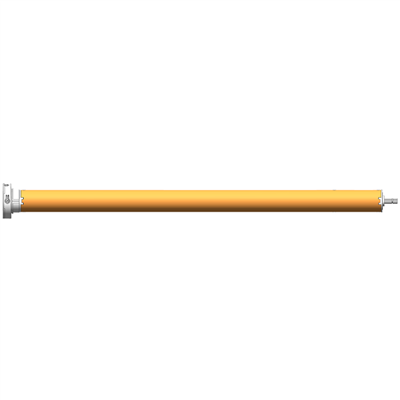
Hey there! As a supplier of motors for roller blinds, I often get asked about the voltage requirements of these motors. It's a crucial topic because getting the voltage right is essential for the smooth operation and longevity of your roller blinds. So, let's dive into it and find out what you need to know.
Understanding Voltage Basics
First off, voltage is like the "push" that makes electricity flow in a circuit. In the context of motors for roller blinds, it determines how much power the motor will receive and how well it can perform its job of raising and lowering the blinds. Different types of motors have different voltage requirements, and it's important to match the motor's voltage with the power source you're using.
Common Voltage Options
1. 220 - 240V
This is a standard voltage in many parts of the world, especially in Europe, Asia, and Australia. Motors designed to run on this voltage are usually connected directly to the mains power supply. They're great for permanent installations where you don't have to worry about running out of power. For example, in a home or office building, a 25mm Standard Tubular Motor that operates on 220 - 240V can be easily wired into the existing electrical system. These motors are powerful and can handle larger and heavier roller blinds.
2. 110 - 120V
In North America and some other regions, 110 - 120V is the standard household voltage. Motors that use this voltage are also connected to the mains, but they require a different electrical setup compared to 220 - 240V motors. They're suitable for similar applications as the higher - voltage motors but are more commonly found in areas with the 110 - 120V power grid.
3. Low Voltage (12V or 24V)
Low - voltage motors are becoming increasingly popular, especially for battery - operated or solar - powered roller blinds. A 25mm Battery Electronic Radio Tubular Motor can run on 12V or 24V batteries. These motors are more flexible in terms of installation because you don't need to be near a mains power outlet. They're also safer to work with since the lower voltage reduces the risk of electrical shock. Low - voltage motors are a great option for places where running electrical wires is difficult or not allowed, like in some historical buildings or outdoor settings.
Factors Affecting Voltage Requirements
1. Motor Size and Power
Bigger motors generally require more power, which means they need a higher voltage. If you have large, heavy roller blinds, you'll need a motor with enough power to lift them smoothly. A small, lightweight blind can get by with a low - voltage motor, but a large commercial blind might need a 220 - 240V or 110 - 120V motor.
2. Control System
Some motors come with advanced control systems, like electronic radio control. A 25mm Electronic Radio Tubular Motor uses radio signals to operate the blinds. These control systems might add a bit of extra power consumption, so you need to make sure the motor's voltage can support both the motor's mechanical operation and the control system.
3. Installation Location
The location where you're installing the roller blinds can also affect the voltage requirement. If it's an area with frequent power outages, a battery - operated low - voltage motor might be a better choice. On the other hand, if you're in a stable power grid area and want a permanent, high - performance solution, a mains - powered motor is probably the way to go.


Choosing the Right Voltage for Your Roller Blinds
When you're choosing a motor for your roller blinds, here are some steps to follow:
1. Measure Your Blinds
First, measure the size and weight of your roller blinds. This will give you an idea of how much power the motor needs to have. If you're not sure, you can always consult with a professional or our team at the supplier.
2. Consider Your Power Source
Think about where you'll be getting the power from. If you have easy access to a mains power outlet, a 220 - 240V or 110 - 120V motor might be suitable. If you want a more flexible solution or are in an area without a reliable power supply, a low - voltage battery - operated motor could be the answer.
3. Evaluate Your Control Needs
Do you want to control your blinds with a remote, a smartphone app, or a wall switch? Different control systems have different power requirements, so make sure the motor you choose can support your desired control method.
Importance of Correct Voltage
Using the correct voltage for your roller blind motor is crucial. If the voltage is too low, the motor might not have enough power to lift the blinds properly. It could run slowly, overheat, or even burn out. On the other hand, if the voltage is too high, it can cause damage to the motor's components, leading to a shorter lifespan and potential safety hazards.
Conclusion
So, there you have it! The voltage requirement of motors for roller blinds depends on several factors, including the motor size, power source, control system, and installation location. By understanding these factors and choosing the right voltage, you can ensure that your roller blinds operate smoothly and efficiently for years to come.
If you're in the market for motors for roller blinds and need help choosing the right one with the appropriate voltage, don't hesitate to reach out. We're here to assist you in making the best decision for your specific needs. Whether you're a homeowner, a business owner, or an installer, we've got the expertise and the products to meet your requirements. Let's start a conversation and find the perfect motor for your roller blinds!
References
- Electrical Engineering textbooks on motor operation and power requirements.
- Industry standards and guidelines for roller blind motor manufacturing.