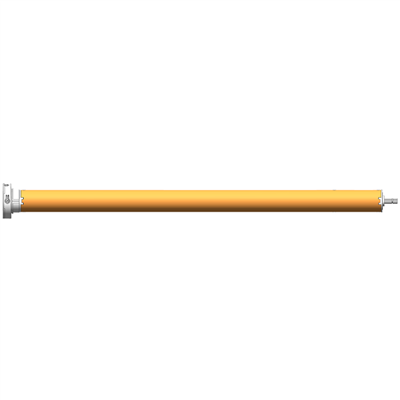
As a provider of Motorized Awning Motors, I've witnessed firsthand the importance of understanding the environmental conditions under which these motors operate optimally. Motorized awning motors are designed to enhance the functionality and convenience of awnings, but certain weather conditions can pose challenges to their performance and longevity. In this blog, I'll delve into the weather conditions that are not suitable for motorized awning motors and offer insights on how to mitigate potential risks.
Extreme Heat
High temperatures can have a detrimental effect on motorized awning motors. When the mercury rises, the internal components of the motor can overheat, leading to reduced efficiency and potential damage. Excessive heat can cause the lubricants within the motor to break down, increasing friction and wear on moving parts. Moreover, the electrical components may become more prone to malfunction due to thermal stress.
In regions with scorching summers, it's crucial to ensure that the motorized awning is installed in a shaded area whenever possible. This can help reduce the direct exposure to sunlight and minimize the heat buildup around the motor. Additionally, proper ventilation around the motor is essential to dissipate heat effectively. If the awning is used frequently during hot weather, consider installing a cooling system or a heat shield to protect the motor from extreme temperatures.
Heavy Rain and Flooding
Water is one of the biggest enemies of motorized awning motors. Exposure to heavy rain or flooding can lead to corrosion, short circuits, and electrical failures. The motor's electrical components are particularly vulnerable to water damage, as moisture can cause rust and oxidation, which can compromise the motor's performance and safety.


To protect the motor from water damage, it's important to choose a motor that is rated for outdoor use and has a high level of water resistance. Look for motors with an IP (Ingress Protection) rating, which indicates the degree of protection against solid objects and water. A higher IP rating means better protection. For example, an IP55-rated motor is dust-tight and protected against low-pressure water jets from any direction.
In addition to selecting a water-resistant motor, proper installation is key. Ensure that the motor is installed in a location where it is not directly exposed to rain or runoff. Use waterproof seals and gaskets to prevent water from seeping into the motor housing. If the awning is installed in an area prone to flooding, consider elevating the motor or installing a flood protection system.
Strong Winds
Strong winds can exert significant force on a motorized awning, putting stress on the motor and its components. High winds can cause the awning to flap or sway, which can damage the motor's gears, bearings, and other moving parts. In extreme cases, strong winds can even cause the awning to collapse, posing a safety hazard.
To prevent wind damage, it's important to choose a motor that is designed to withstand high winds. Look for motors with a high torque rating, which indicates the motor's ability to handle heavy loads and resist wind forces. Additionally, ensure that the awning is properly installed and secured to a sturdy structure. Use strong mounting brackets and cables to prevent the awning from being blown away.
In areas with frequent strong winds, it's advisable to retract the awning during periods of high wind. Many motorized awning motors come with a wind sensor that can automatically retract the awning when the wind speed exceeds a certain threshold. This can help protect the awning and the motor from damage.
Extreme Cold
Cold temperatures can also affect the performance of motorized awning motors. In freezing conditions, the lubricants within the motor can thicken, making it more difficult for the motor to operate smoothly. The electrical components may also become more brittle and prone to cracking, which can lead to malfunctions.
To ensure the motor operates properly in cold weather, choose a motor that is designed for use in low temperatures. Some motors are equipped with special lubricants that remain fluid at low temperatures, ensuring smooth operation even in freezing conditions. Additionally, consider installing a heater or a thermal insulation system to keep the motor warm.
If the awning is not used during the winter months, it's a good idea to retract it and store it in a dry, warm place. This can help prevent the motor from being exposed to extreme cold and reduce the risk of damage.
Dust and Sandstorms
Dust and sand can accumulate inside the motor housing, causing abrasion and wear on the moving parts. In areas prone to dust storms or sandy conditions, it's important to choose a motor with a high level of dust protection. Look for motors with an IP rating that indicates protection against dust ingress.
Regular maintenance is also essential to keep the motor clean and free of dust and sand. Use a soft brush or compressed air to remove any debris from the motor housing and its components. Check the motor's filters regularly and replace them if they are clogged.
Snow and Ice
Snow and ice can add significant weight to the awning, putting additional stress on the motor. The accumulation of snow and ice can also cause the awning to become stiff and difficult to retract, which can damage the motor's gears and bearings.
To prevent snow and ice damage, it's important to clear the awning of snow regularly. Use a soft brush or a snow rake to gently remove the snow from the awning surface. Avoid using sharp objects or excessive force, as this can damage the awning fabric or the motor.
If the awning is exposed to freezing rain or ice storms, consider retracting the awning to prevent the ice from building up. In some cases, it may be necessary to install a heating system on the awning to melt the ice and prevent it from accumulating.
Conclusion
In conclusion, motorized awning motors are sensitive to a variety of weather conditions, including extreme heat, heavy rain, strong winds, extreme cold, dust and sandstorms, and snow and ice. By understanding these potential risks and taking appropriate measures to protect the motor, you can ensure its optimal performance and longevity.
At our company, we offer a wide range of high-quality motorized awning motors that are designed to withstand various weather conditions. Our 45mm Manual Tubular Motor, 45mm Electronic Radio Tubular Motor, and 45mm Manual Radio Tubular Motor are all built with durability and reliability in mind.
If you're in the market for a motorized awning motor or have any questions about our products, please don't hesitate to contact us. Our team of experts is ready to assist you in selecting the right motor for your needs and providing you with the support and guidance you need to ensure a successful installation.
References
- "Motorized Awning Installation and Maintenance Guide" by XYZ Publishing
- "Weatherproofing for Outdoor Electrical Equipment" by ABC Institute
- "Understanding IP Ratings for Electrical Equipment" by DEF Standards Organization